

OUR STORY
The Story of We Sound Human
A machine can fake almost anything now. It still can't fake a human — playing a real instrument, in a real room, meaning every note. That's the whole reason this exists.
Hey — I'm Phil. I make sample libraries out of real musicians playing real instruments in real studios. Not a computer's best guess. Not software doing an impression of a band. The actual thing. Here's how I ended up doing this, and why I still won't do it any other way.
WHERE I COME FROM
Before any of this, there was Nashville
I didn't start out making sample libraries. I started out in Nashville as a session player and producer — and I came up under some of the best in the business. The producers and players behind records you'd recognize in a heartbeat, across everything from chart-topping country to full-throttle rock. I won't drop names. But I'll tell you what they drilled into me, because it's the whole foundation of what We Sound Human is.
I learned how to pull a performance out of an artist. How to record a room full of players live — the right microphones, the right preamps and compressors, the right gear for that instrument in that moment.
And how to run an overdub session one player at a time, chasing every last detail until a take was genuinely right, not just close enough.
Along the way I got to work in some of the most storied rooms in the world — Capitol in Los Angeles, Abbey Road in London, The Tracking Room in Nashville.
Rooms where you learn fast what "properly recorded" actually sounds like.
That background is the reason the phone rang when I moved to Los Angeles. Producers didn't need someone to fake a style — they needed the real thing, played by real people and recorded like a record, turned around fast. That's exactly what I did.
THE ITCH
Scratchin' that damn itch
In LA I was writing music for TV, film, and commercials. Good work — but it runs entirely on deadlines. The calls were always a version of the same thing: "We need authentic Mariachi for a spot shooting in Mexico." "Give us that real New Orleans horn sound." "Make it feel genuine — and have it by Thursday."
I couldn't fly in a fiddle player and book a studio every time a deadline hit. So I went hunting for something to cover the gaps. And everything I tried was off. Thin. Stiff. A synthetic impression of a style instead of the style itself.
After years in real rooms with real players, I could feel the fake instantly — and so, I knew, could anyone actually listening.
I could feel the fake instantly — and so, I knew, could anyone actually listening.
Trouble is, the real version isn't something money fixes fast. It takes years of relationships with the players and engineers who can genuinely do delta slide, gypsy-jazz guitar, pedal steel, fiddle, mandolin, banjo.
On tour? Booked? Willing to work to your budget? Usually not. So I was burning all my time writing charts, tracking players, comping and editing and mixing — and almost none of it composing, the part I actually loved.
I burned out. And I walked away from all of it.
THE METHOD
We don't do things by halves
So I did the obvious thing: I started making the libraries I couldn't find. And because I don't do anything by halves, "making them" started long before anyone hit record.
- 01
Find the gaps.
I listed every style that was either done badly everywhere or didn't exist at all. The stuff nobody had bothered to get right.
- 02
Deconstruct the real thing.
Then I studied authentic examples of each one — over and over, pulling them apart, learning the tiny nuances that make a style actually sound like itself.
- 03
Find the people who live it.
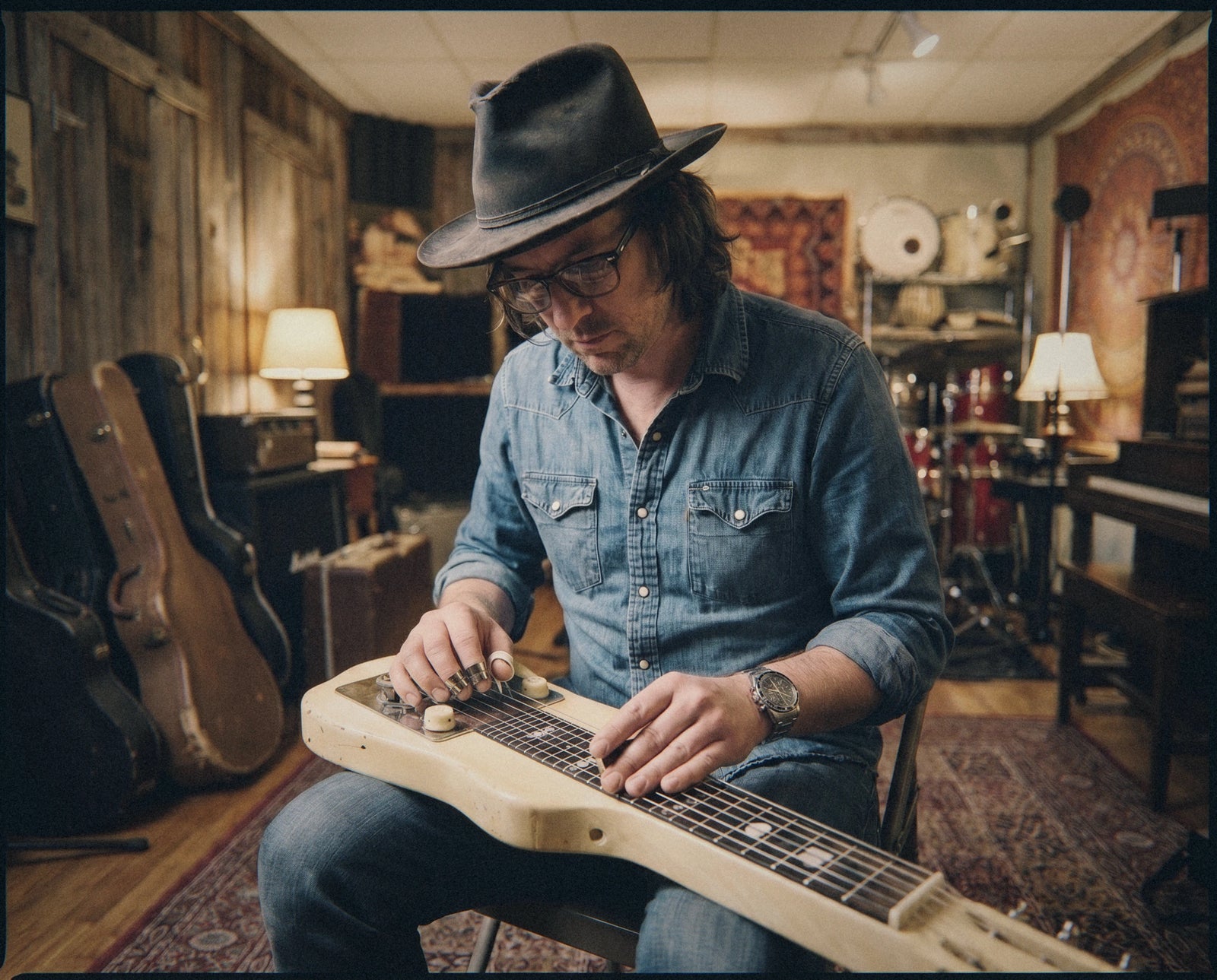
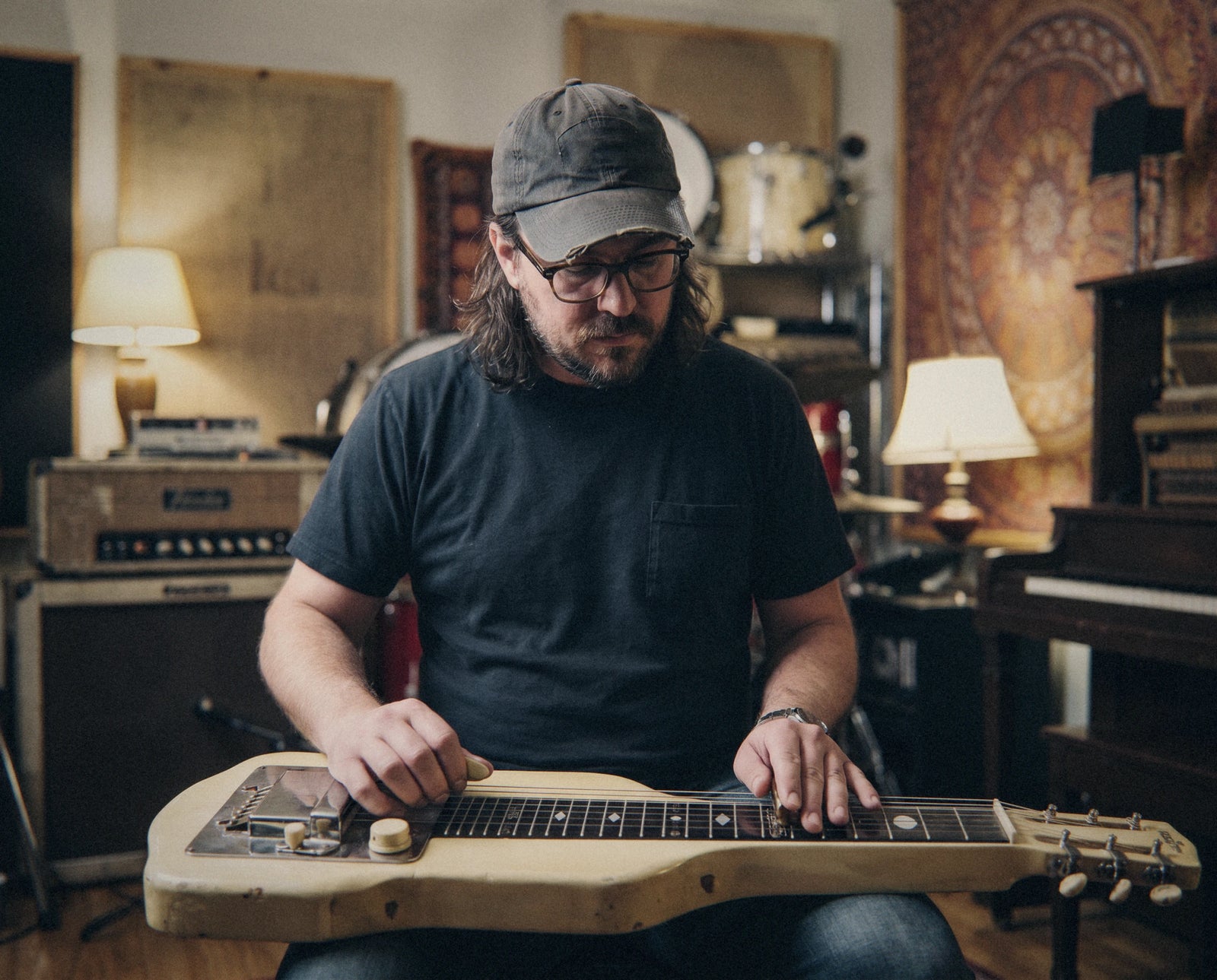
I tracked down the best living players for each style. Sometimes friends and fellow musicians. Often it meant travelling to the place the music came from and finding the masters who grew up inside it.
- 04
Compose, record, format.
Only then did I write the music for them to play — and record it, edit it, and format it into sessions that open straight in your setup.
Reads like a few seconds. Took years.
THE JOURNEY
Where this took me
So I ran that same routine wherever the music actually lived — and a good deal further afield than you might expect.

- 01New OrleansBrass and second-line
- 02NashvilleCountry, learned properly
- 03MemphisSounds of the Delta
- 04Mexico CityMariachi from Jalisco
- 05Los AngelesWhere it gets scored
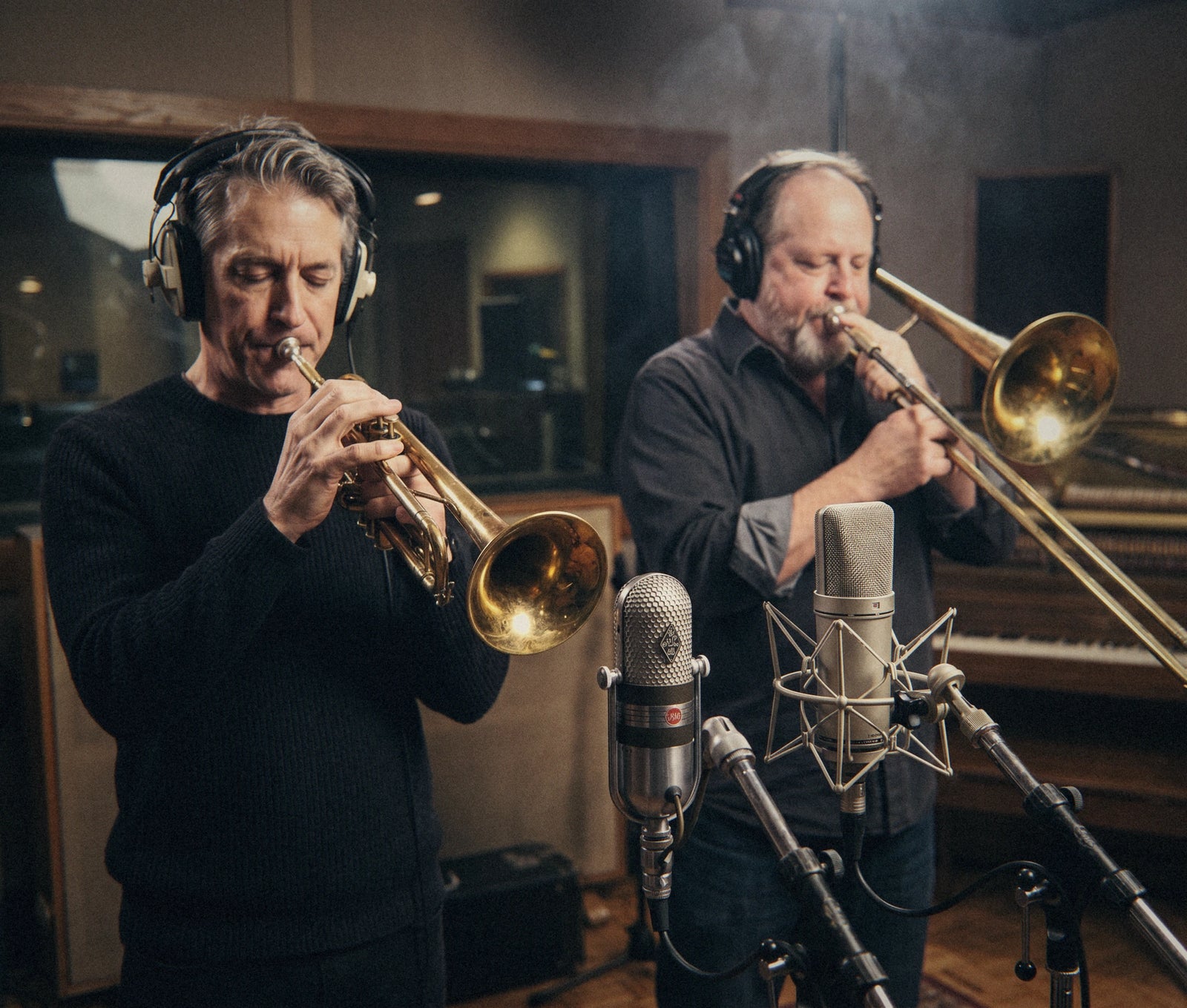
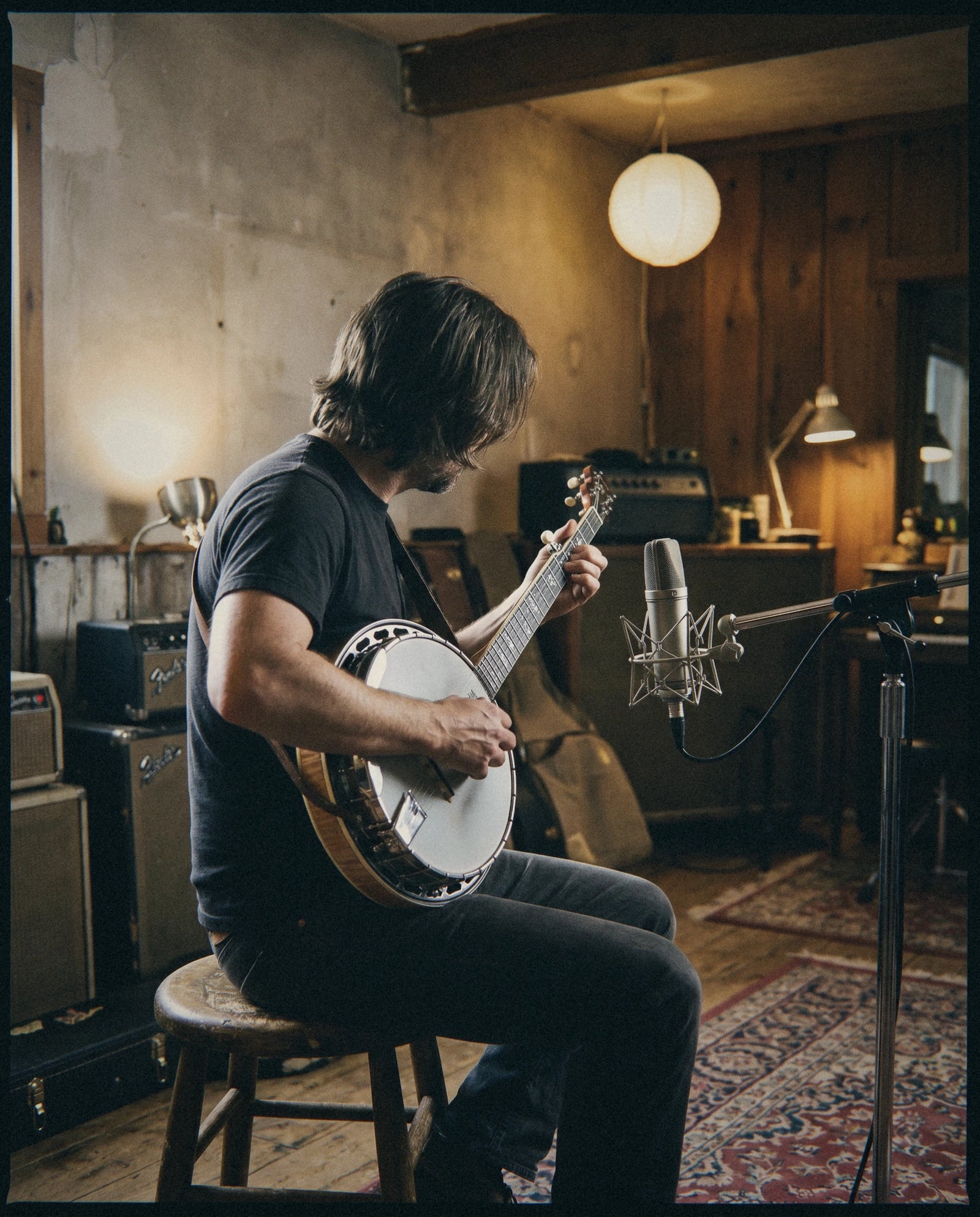
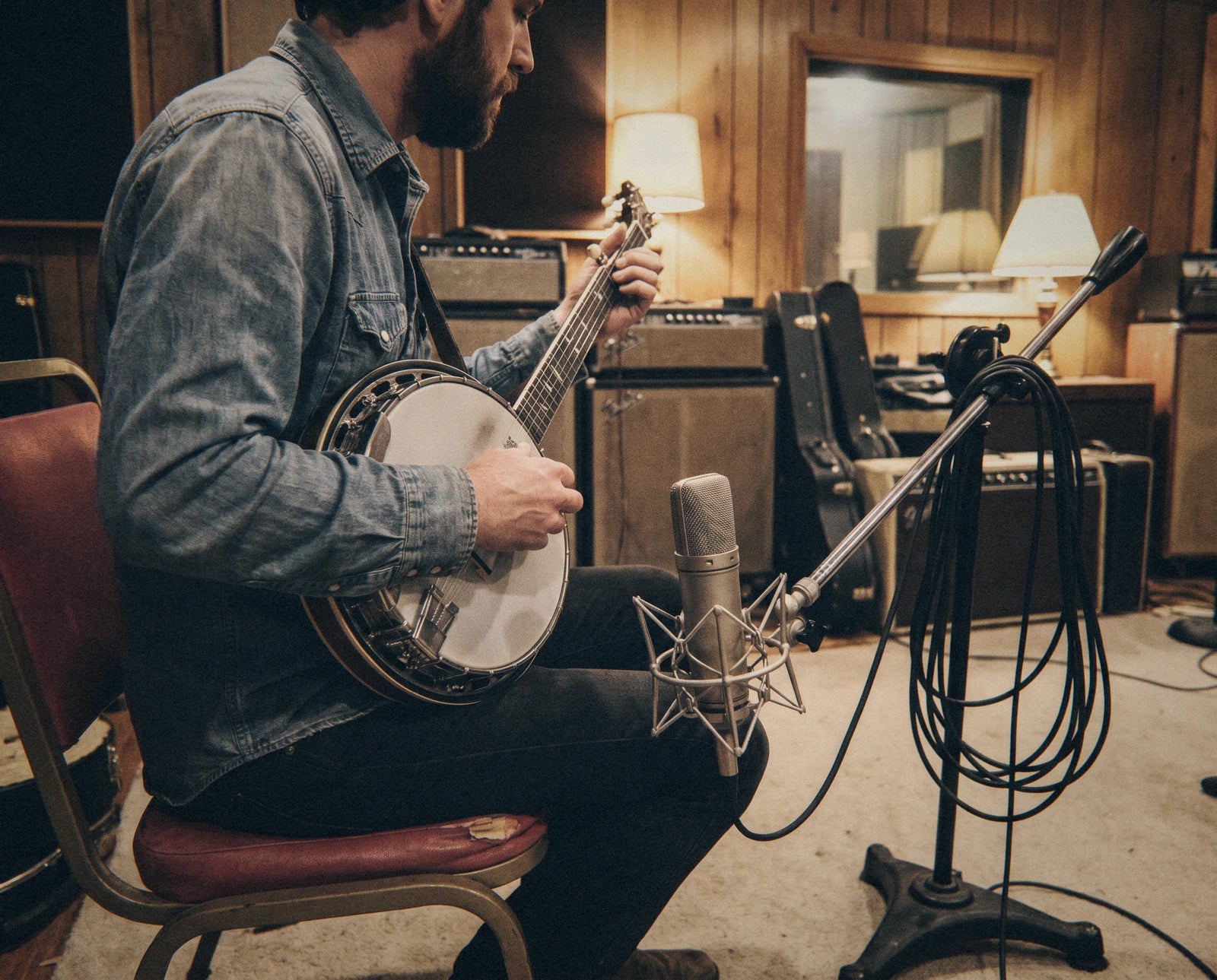
For We Sound Human, none of it was cut in my spare bedroom. I recorded in real, professional studios built for exactly this kind of work — because a badly recorded great player still sounds wrong, and that was the one corner I was never going to cut.
And here's the part that ties it all together. A lot of the players and engineers on these libraries are the same people I met back in those Nashville rooms — the ones who played on records you already own — or the masters they personally pointed me to, the "you have to hear this person" calls. Here's the kind of people I mean:
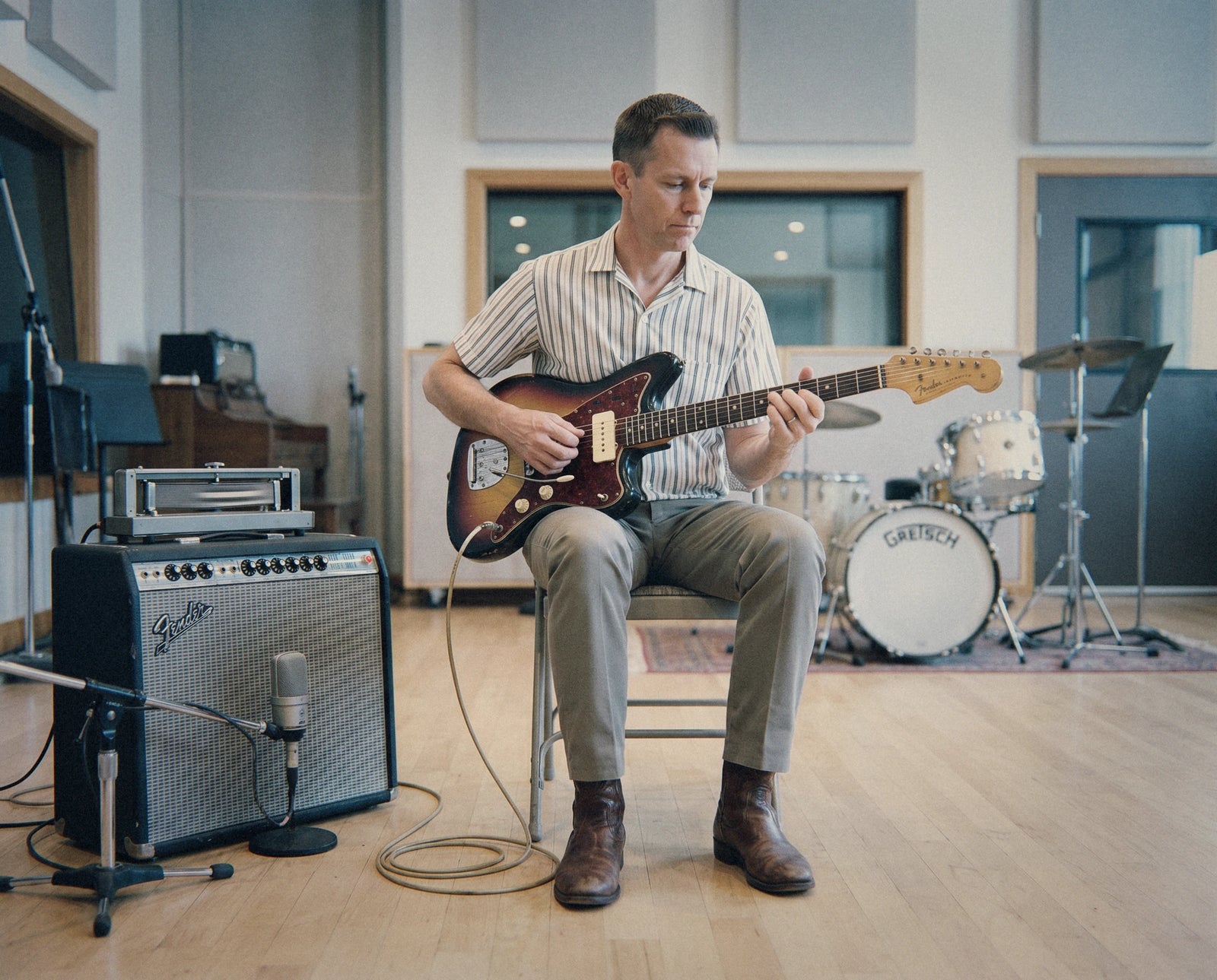
There's a New Orleans guitarist who's played behind nearly every legend the city ever produced — and he's the one who opened those doors for me, introduced me around, and showed me a kind of Southern hospitality you can't manufacture.
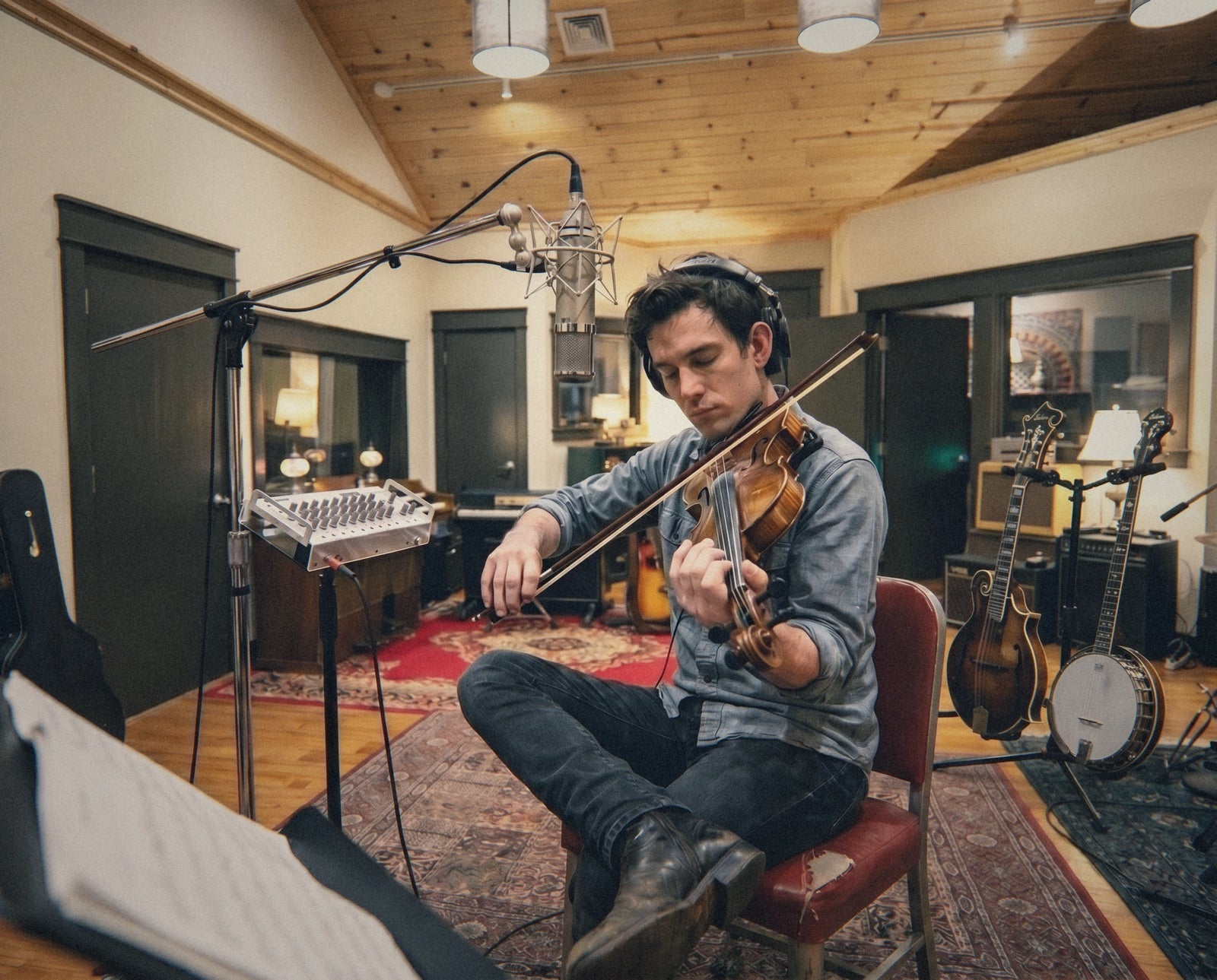
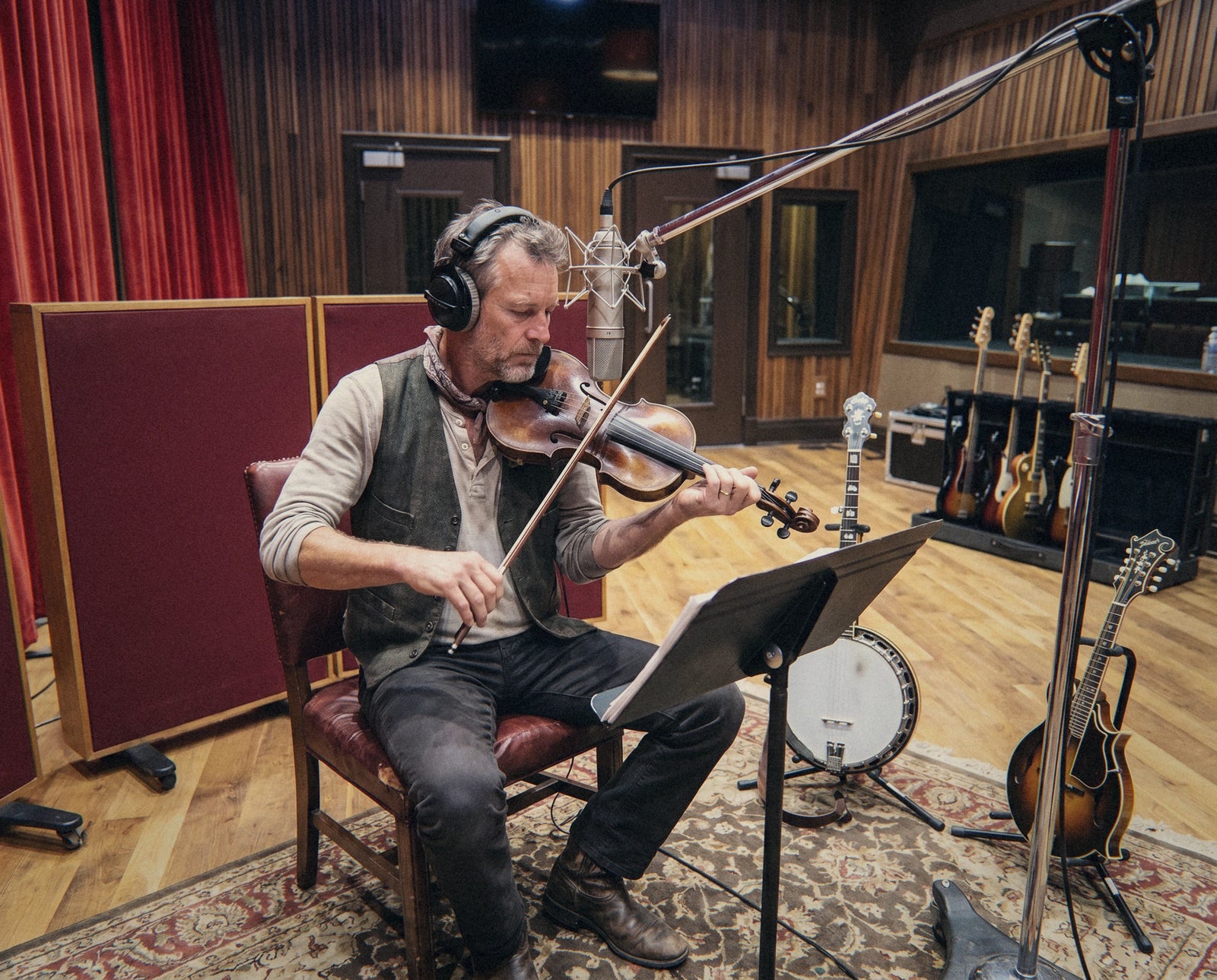
There's a fiddle player from the Ozarks, raised on his grandfather's tunes, who now plays on some of the biggest records cut in Nashville.
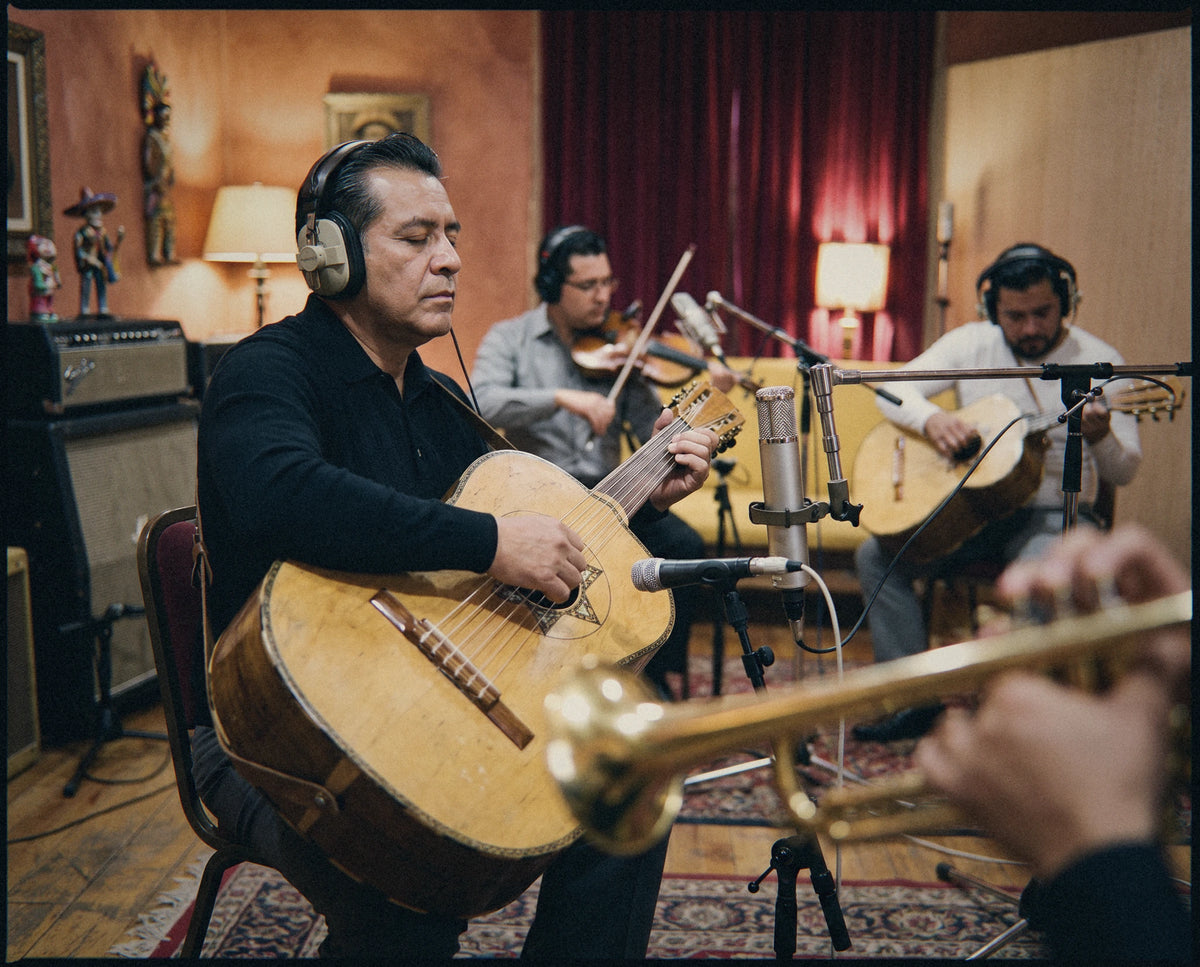
And there's one of the great Mariachi groups working between Mexico City and Los Angeles, who took me in as a student — teaching me the rhythms of the huapango over shared tamales, the way the music has always been handed down.
Players like these are on these records. Not session musicians I found online — people from the very top of the craft. Some you won't hear on any other library, which is exactly why I keep their names off a page my competitors could screenshot.

LISTEN
Don't take my word for it
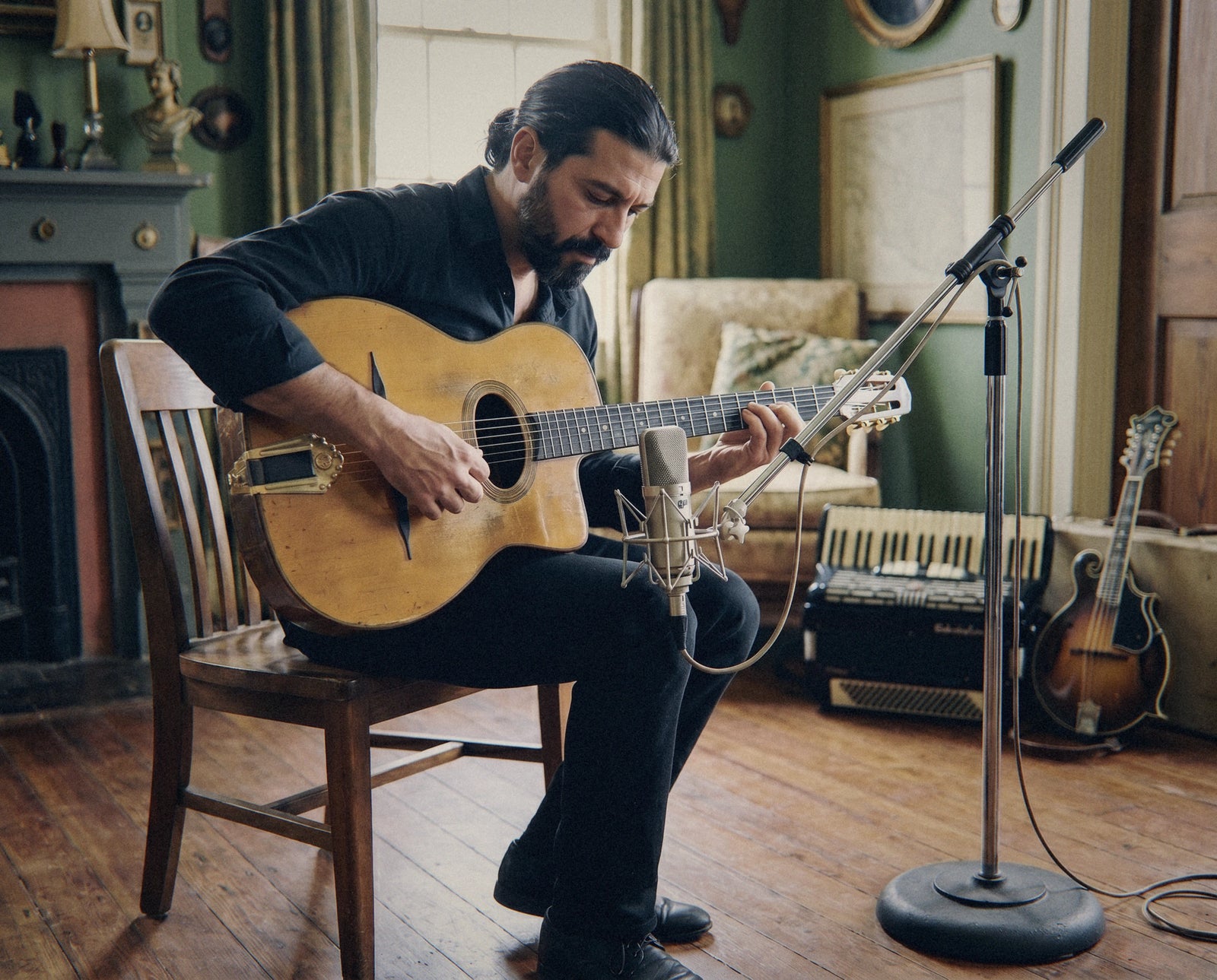
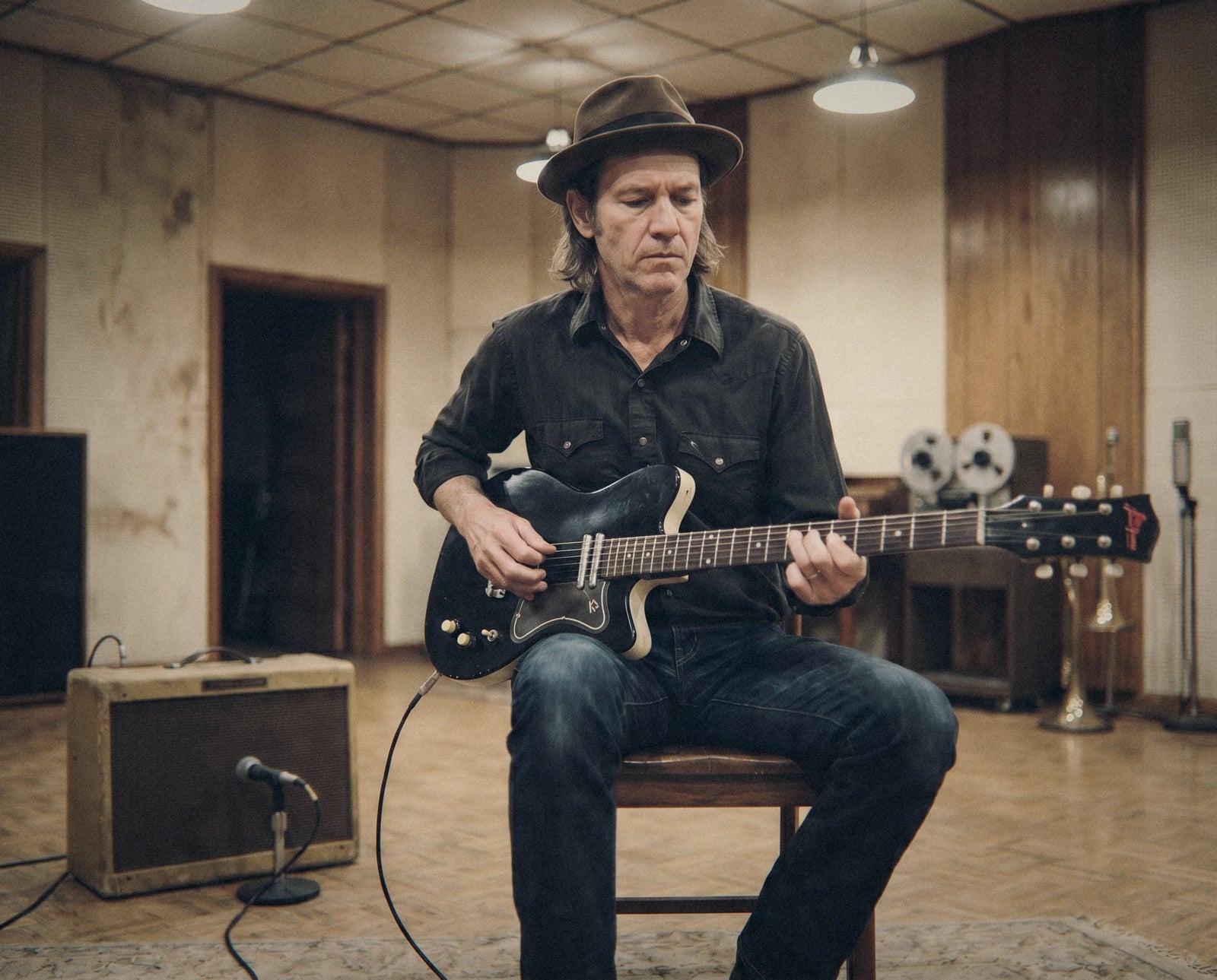
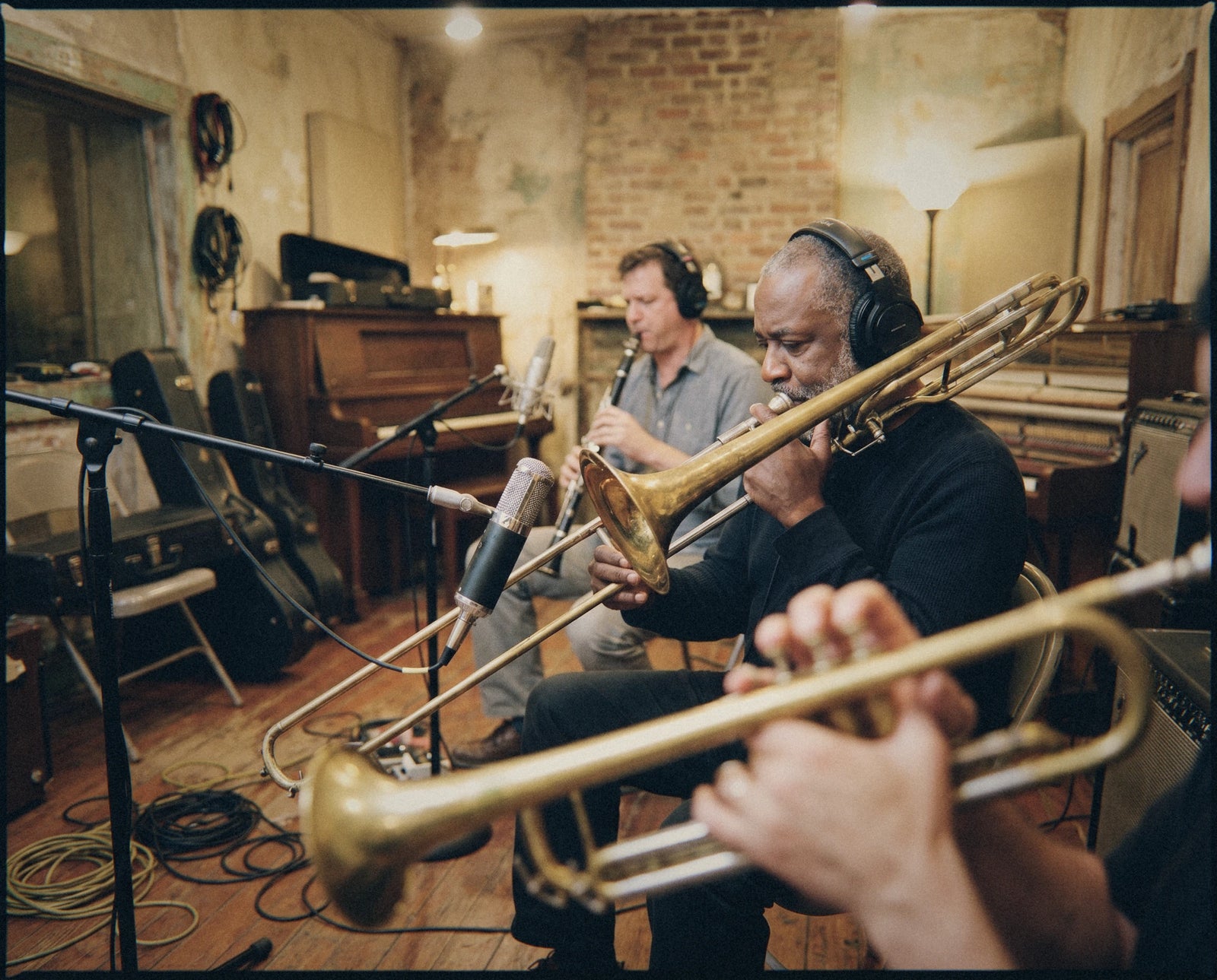
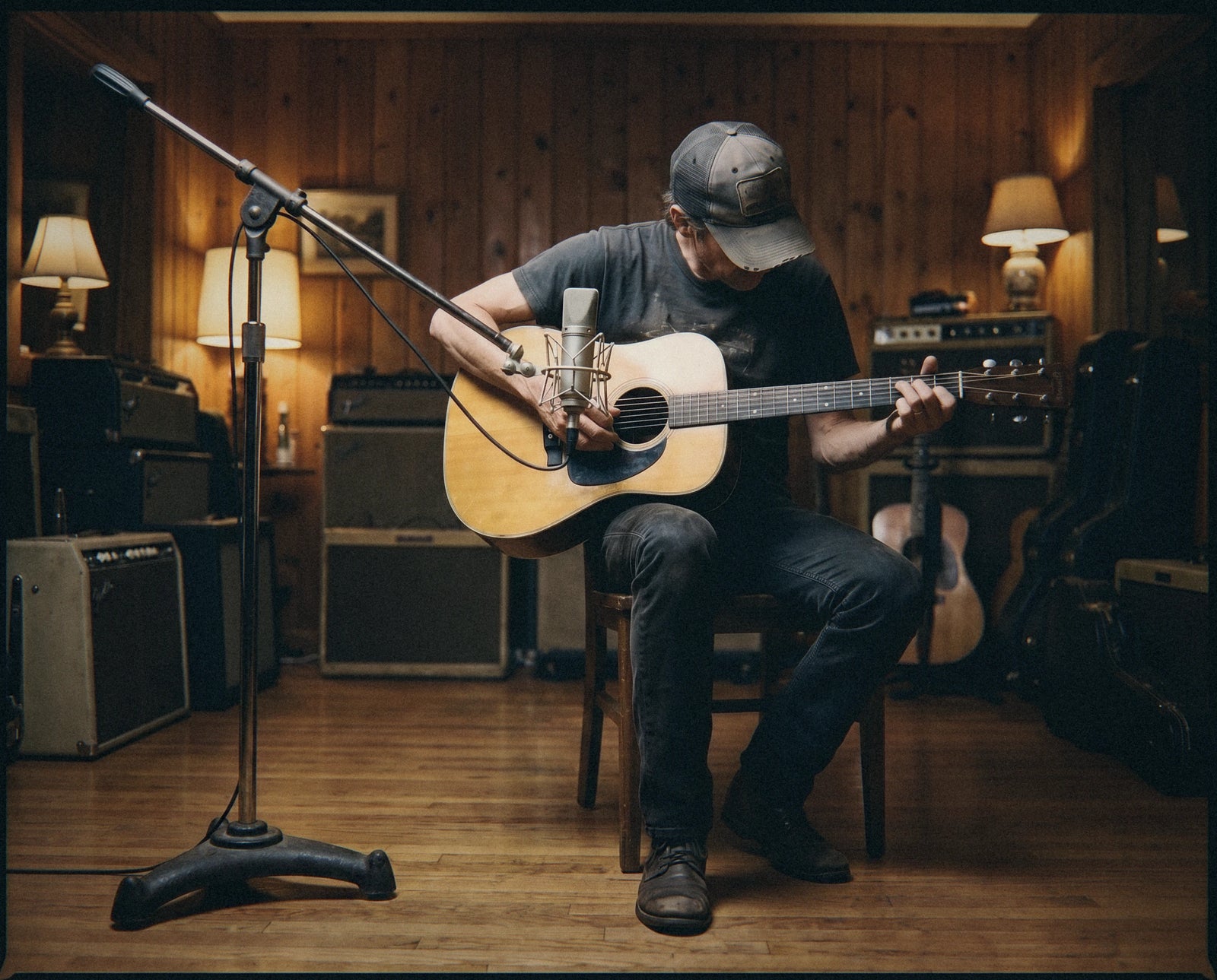
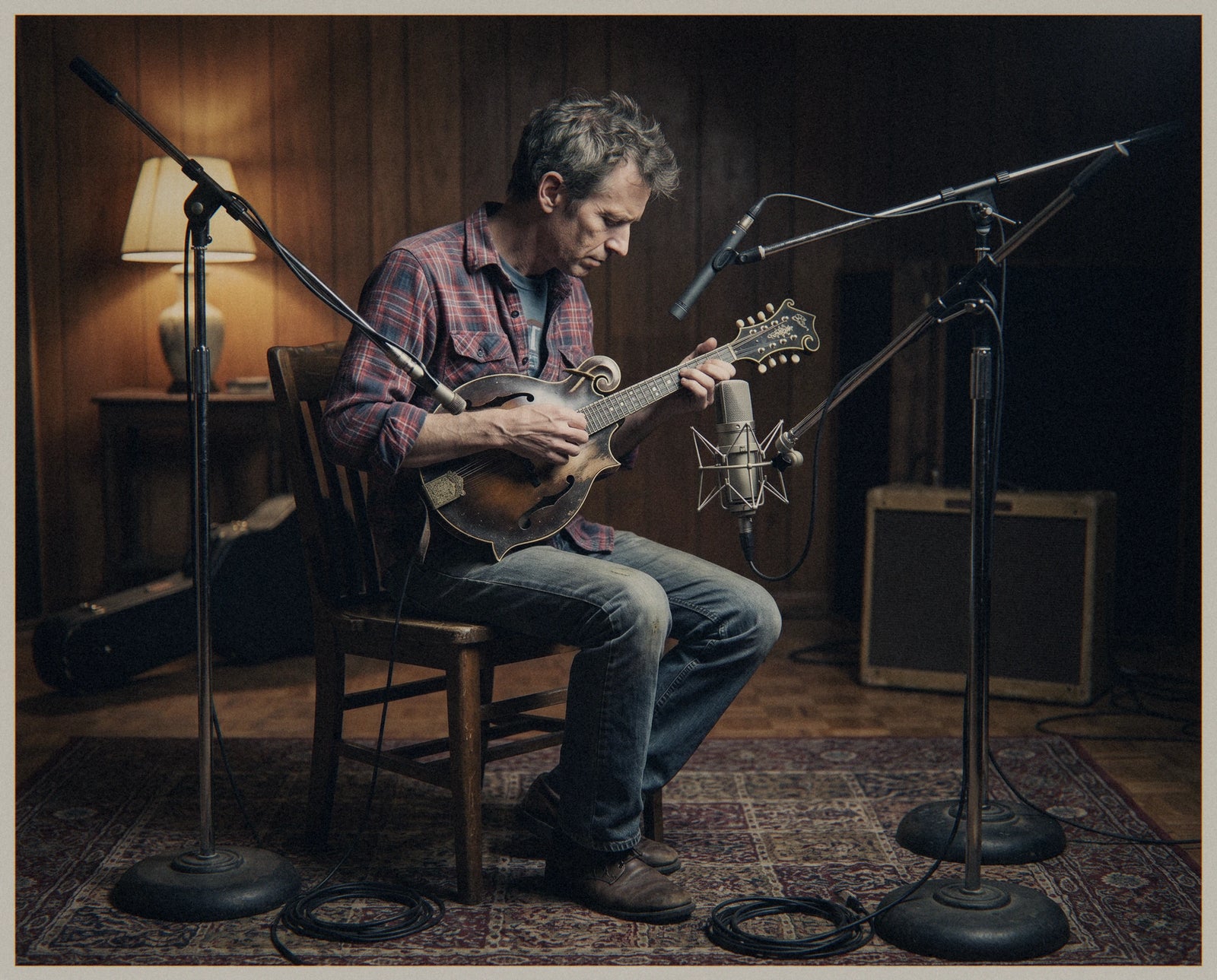
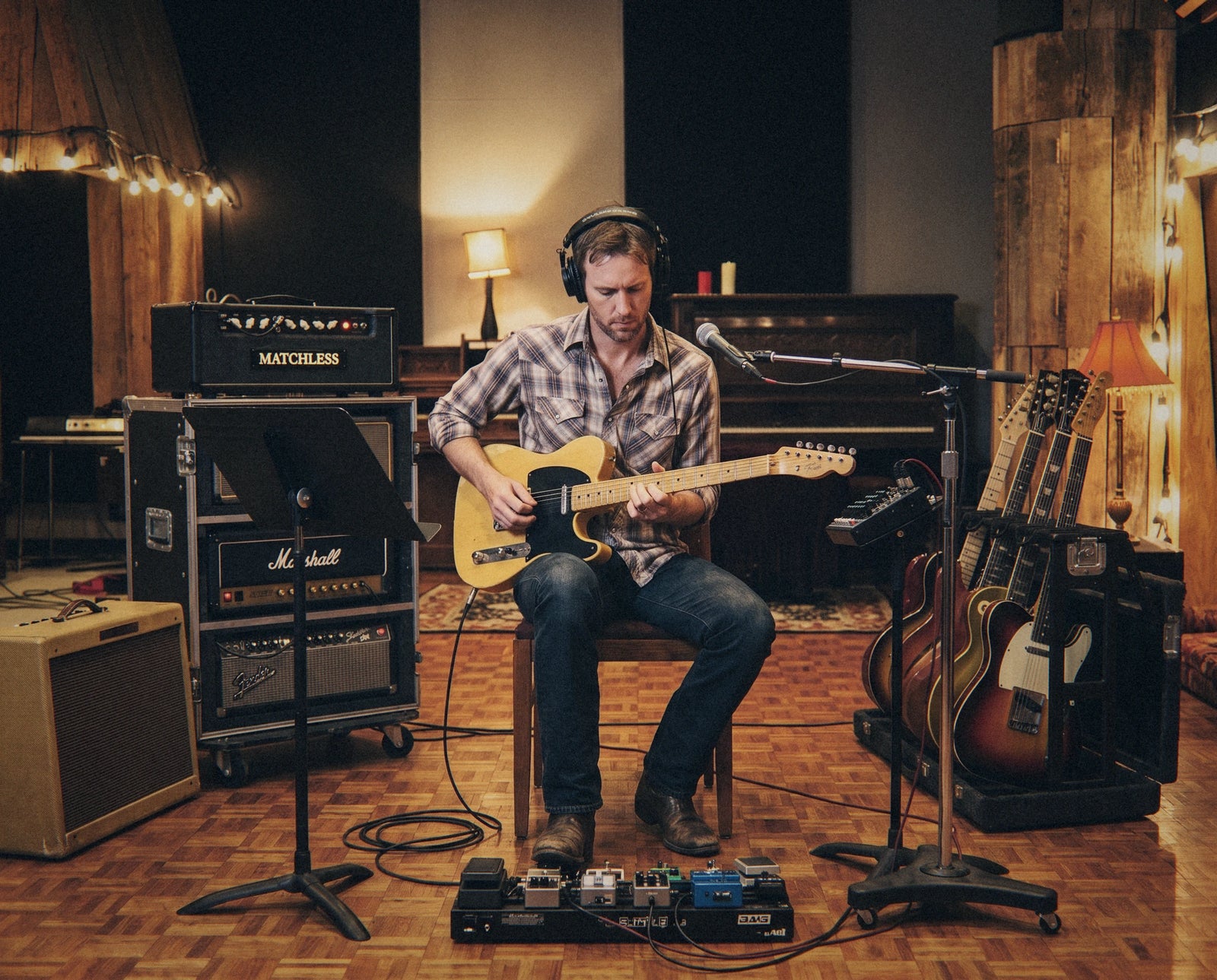
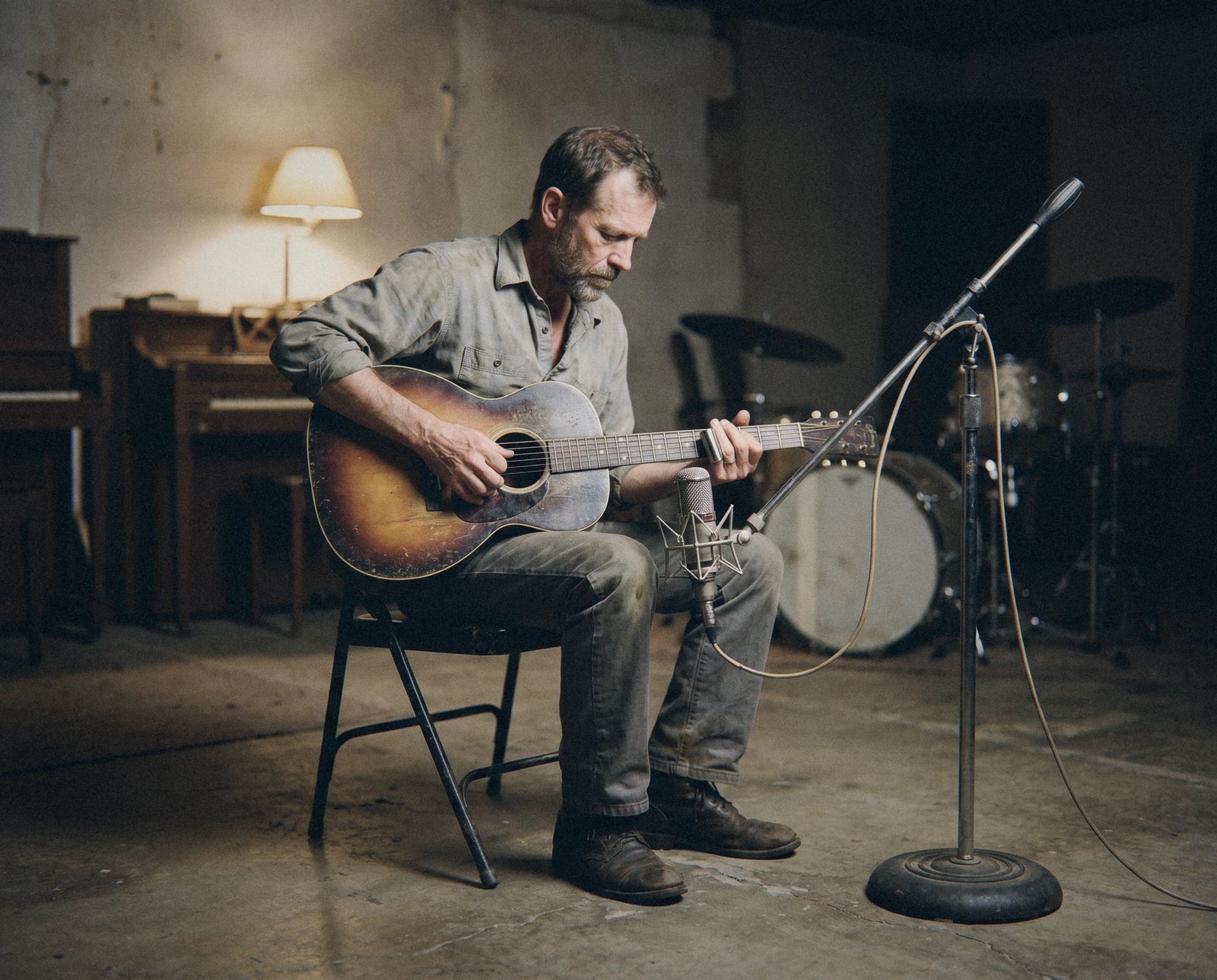
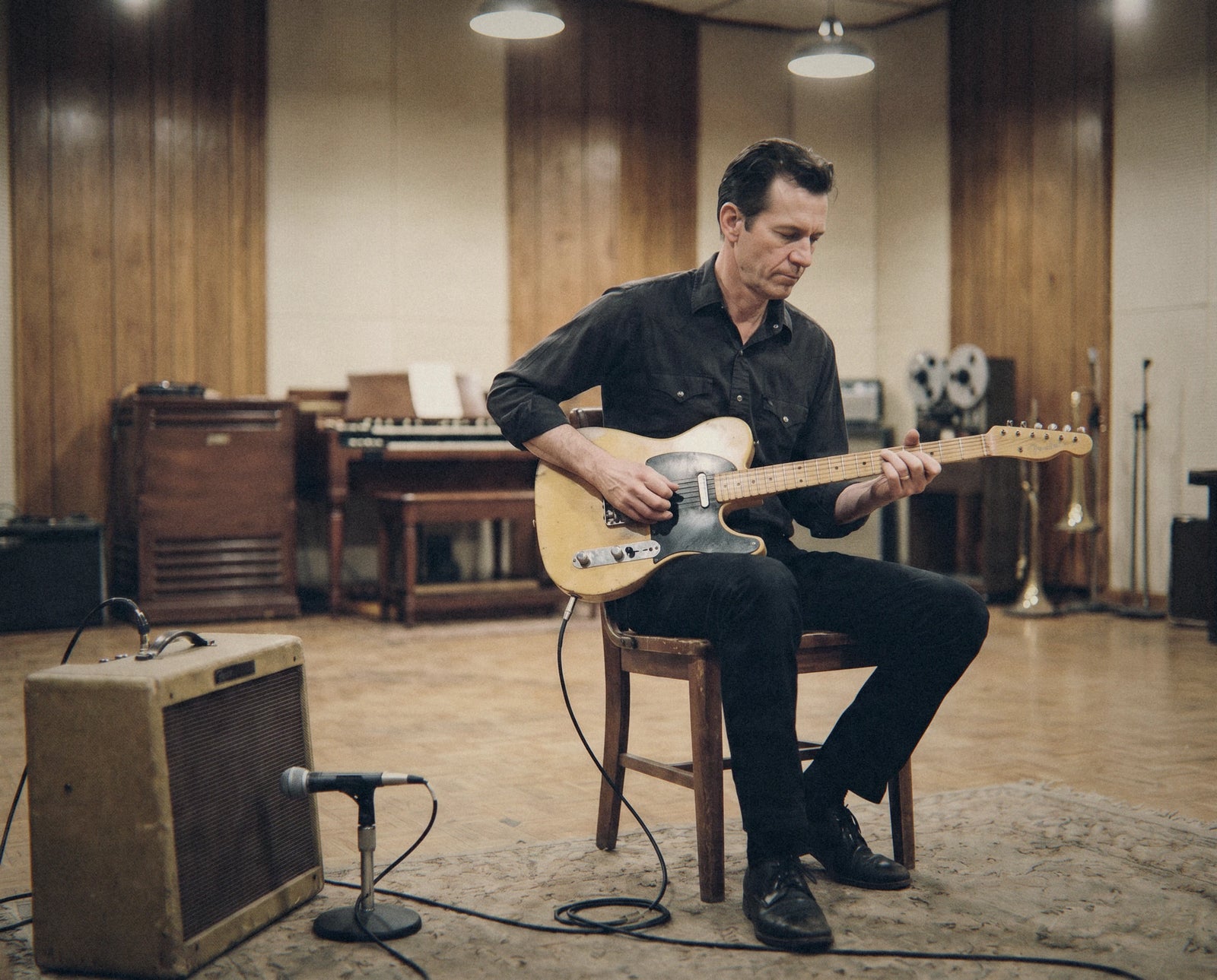
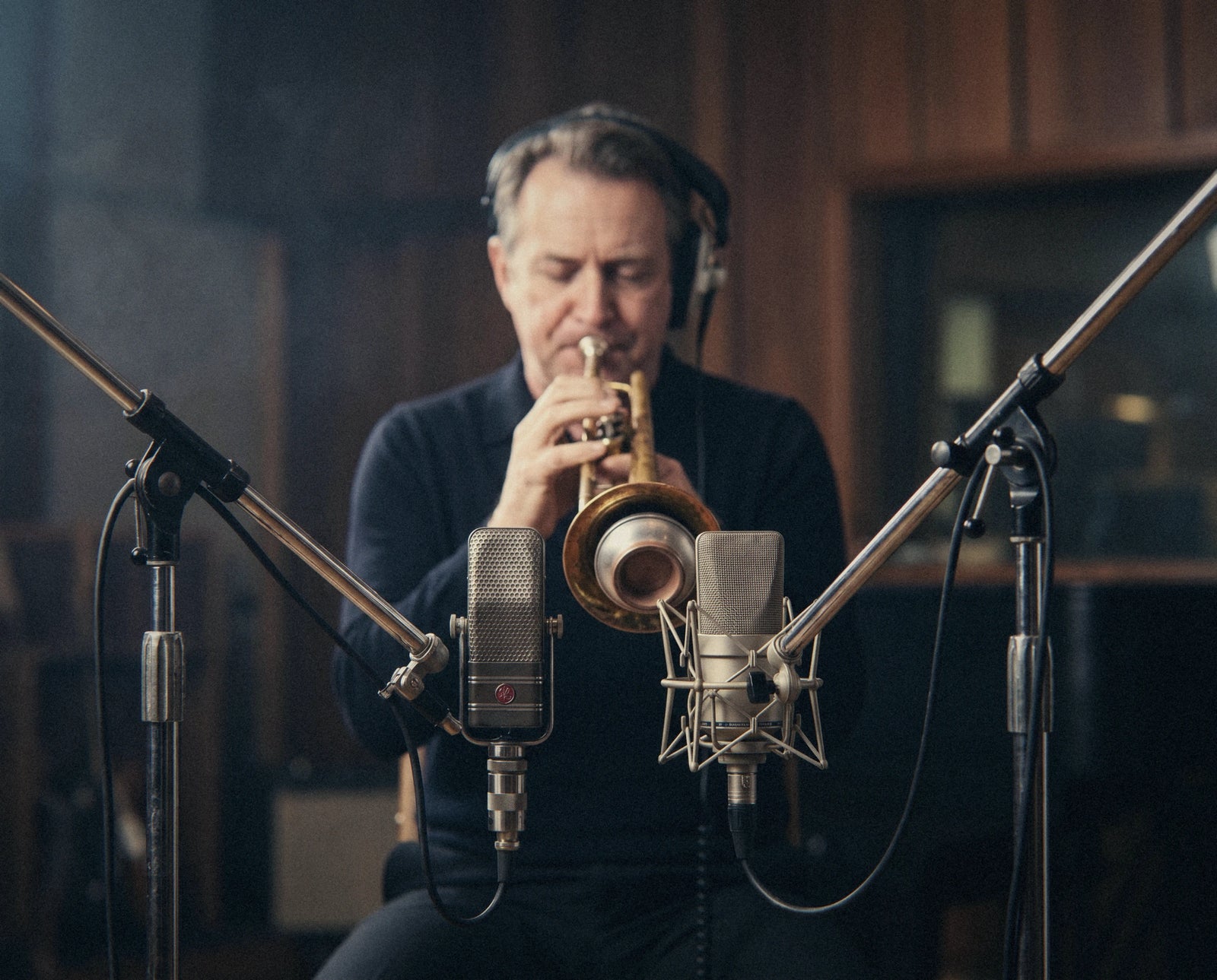
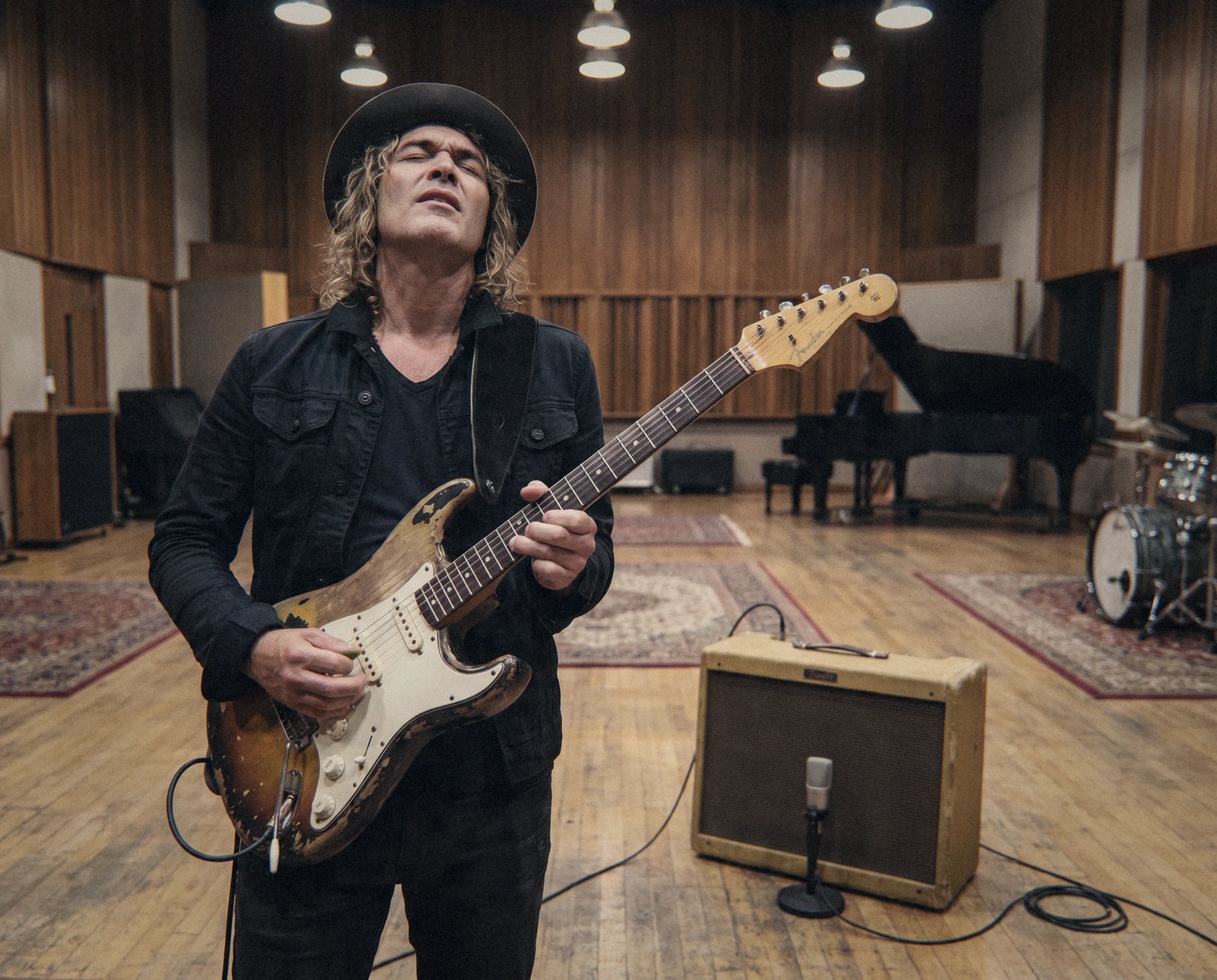
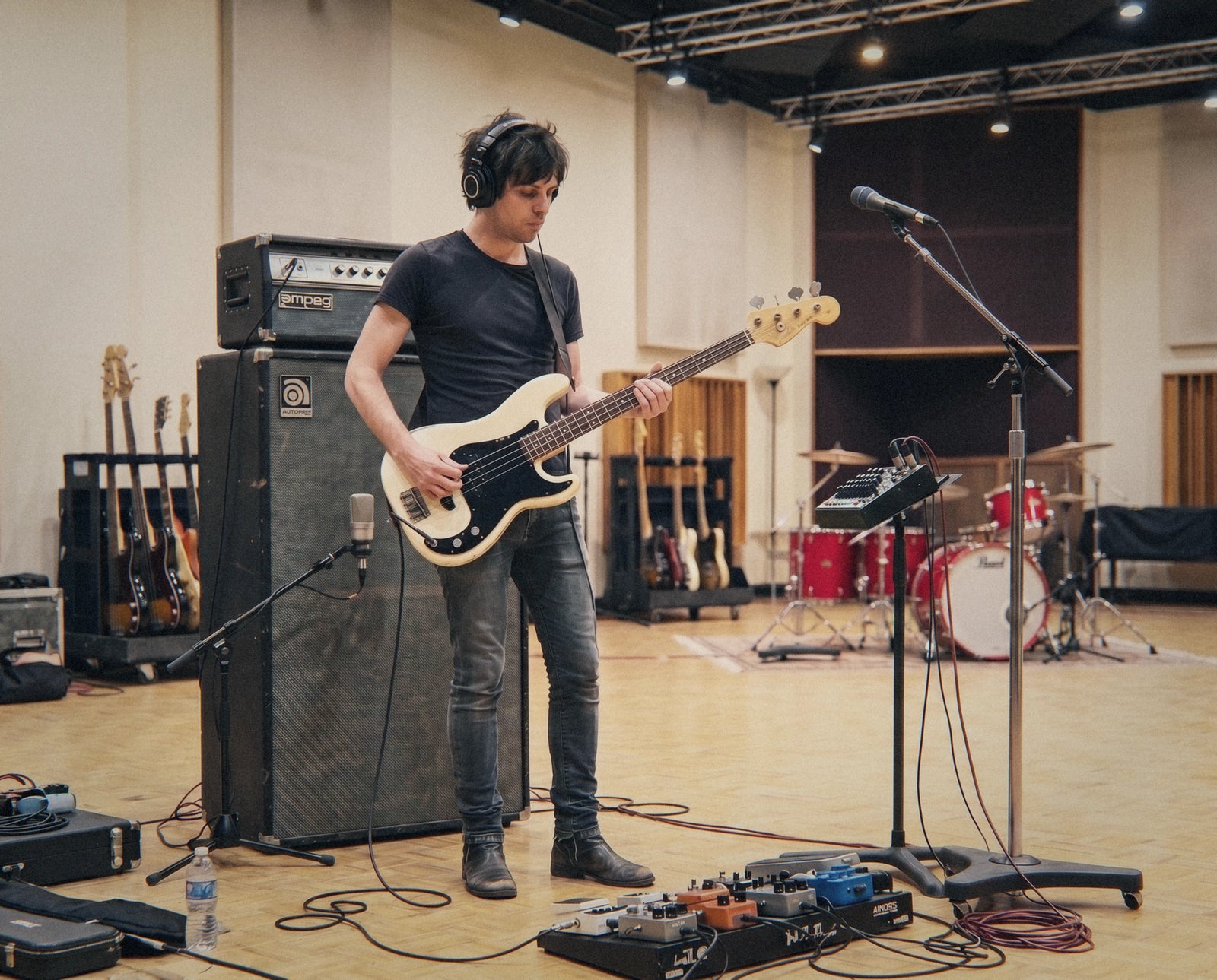
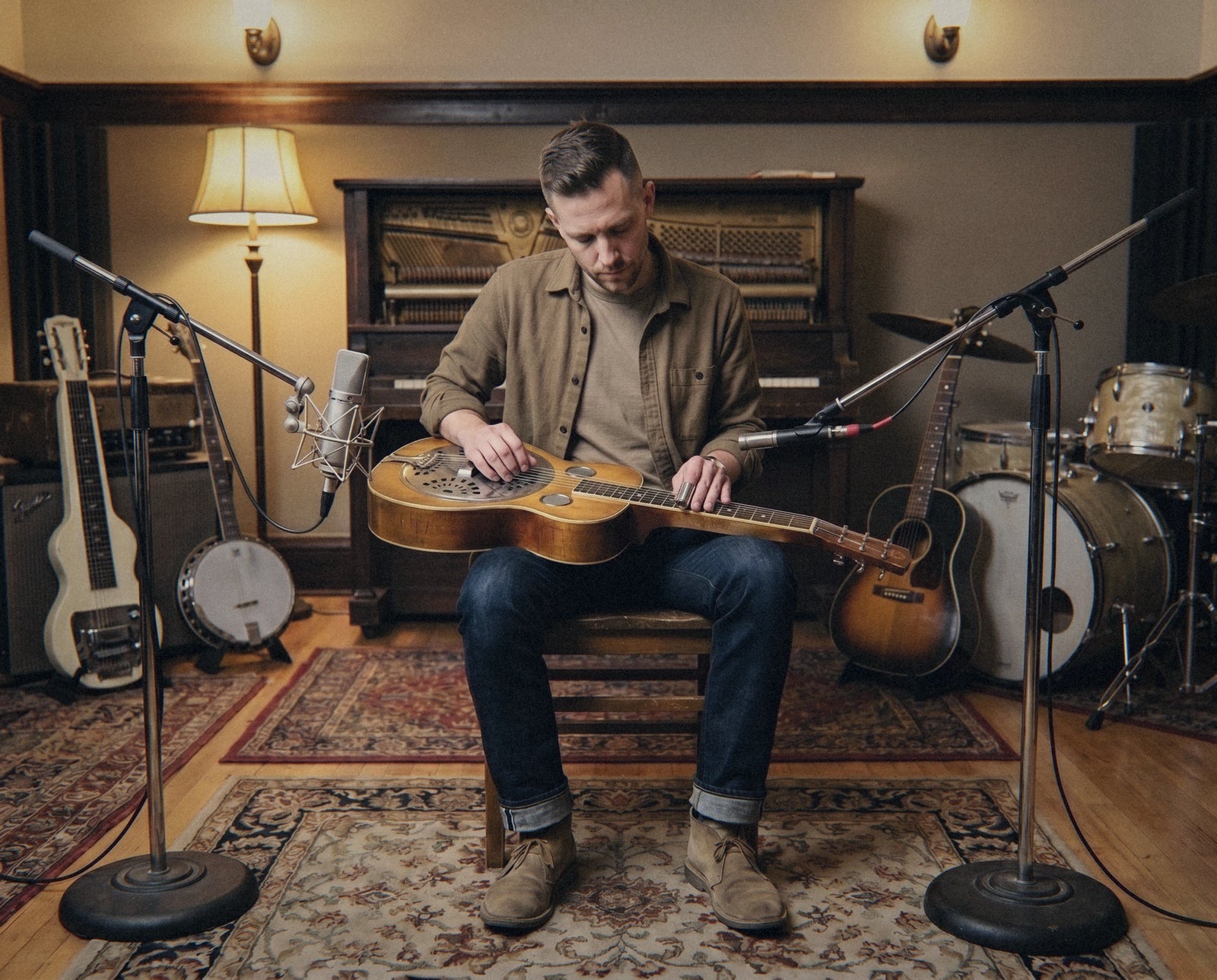
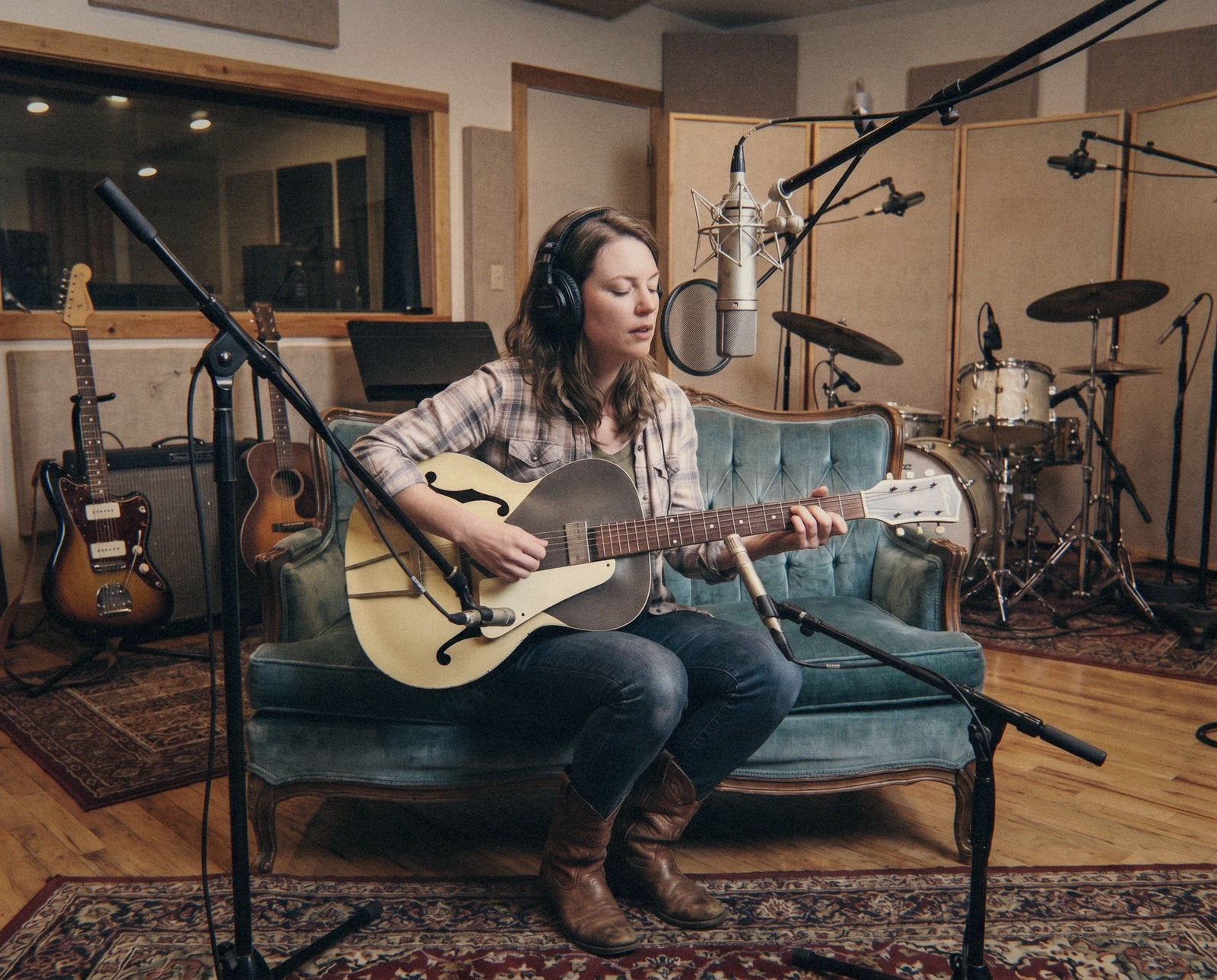
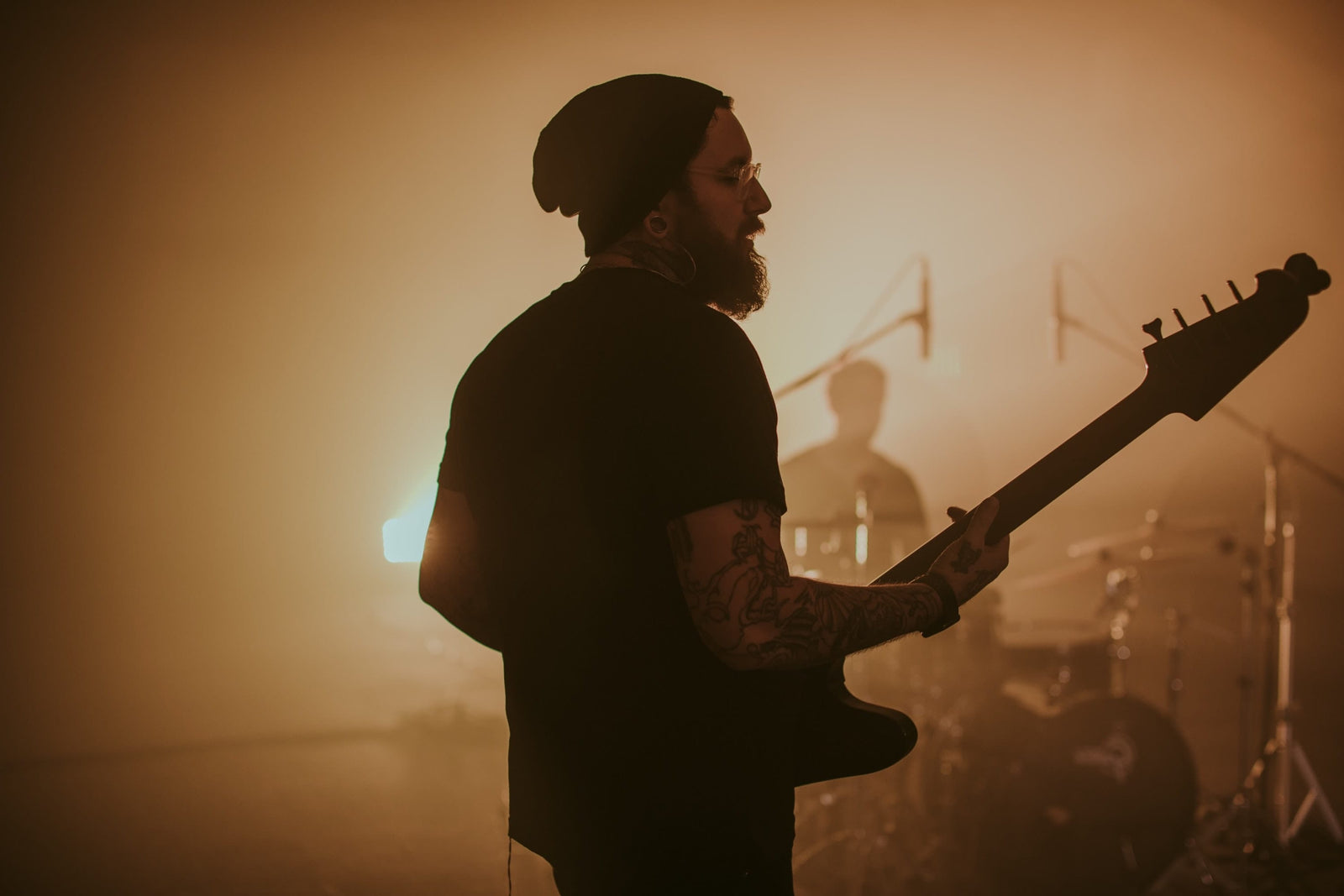
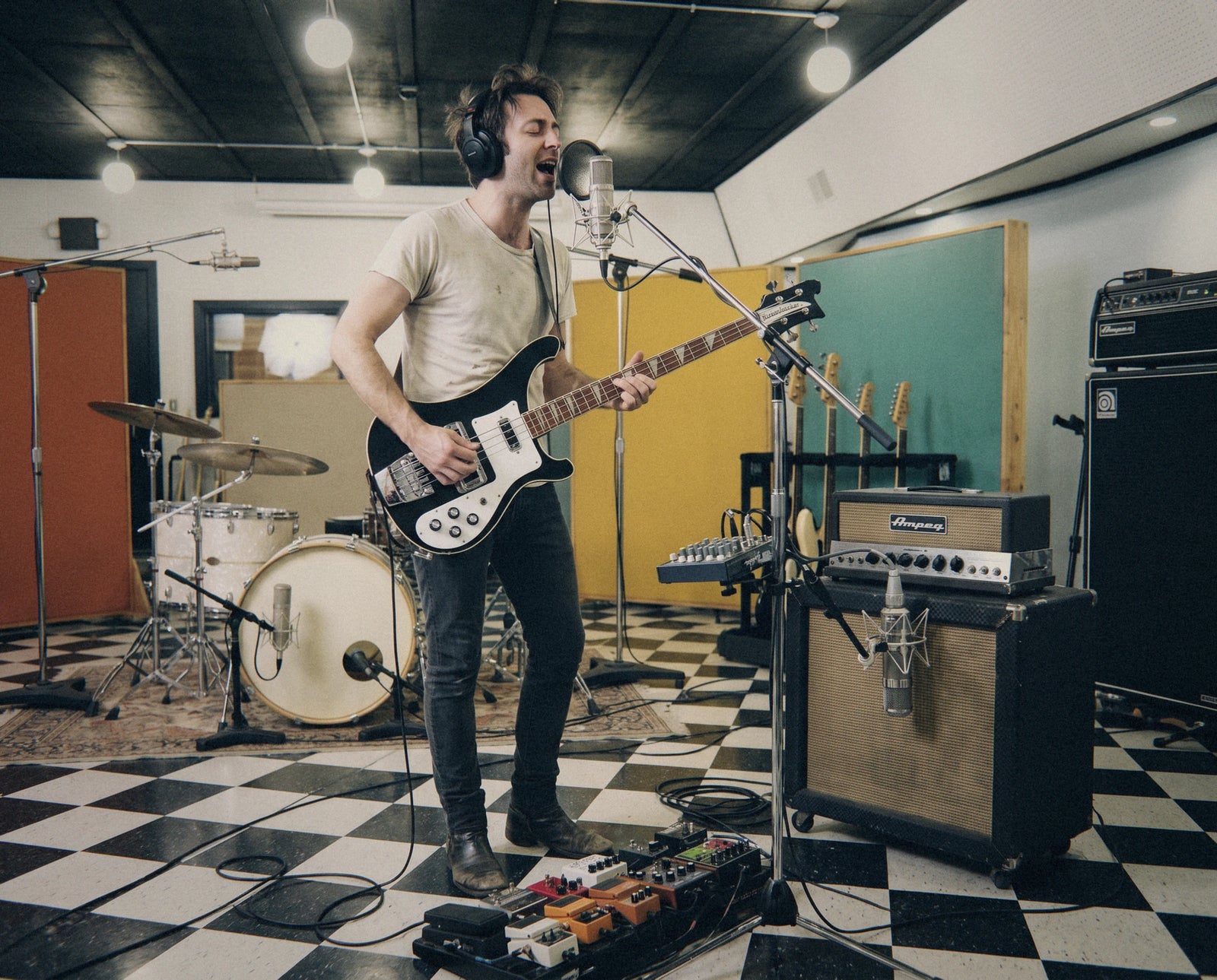
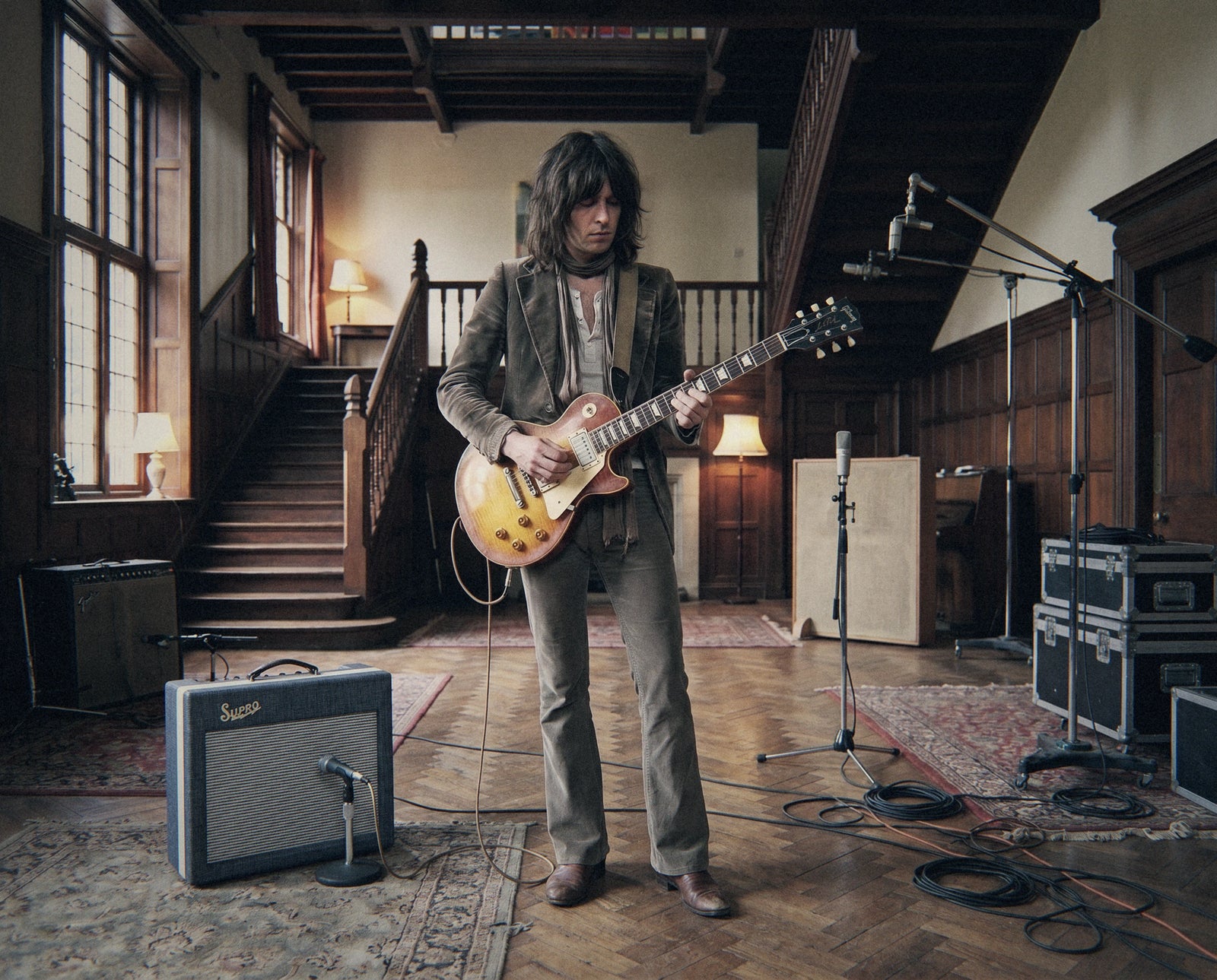
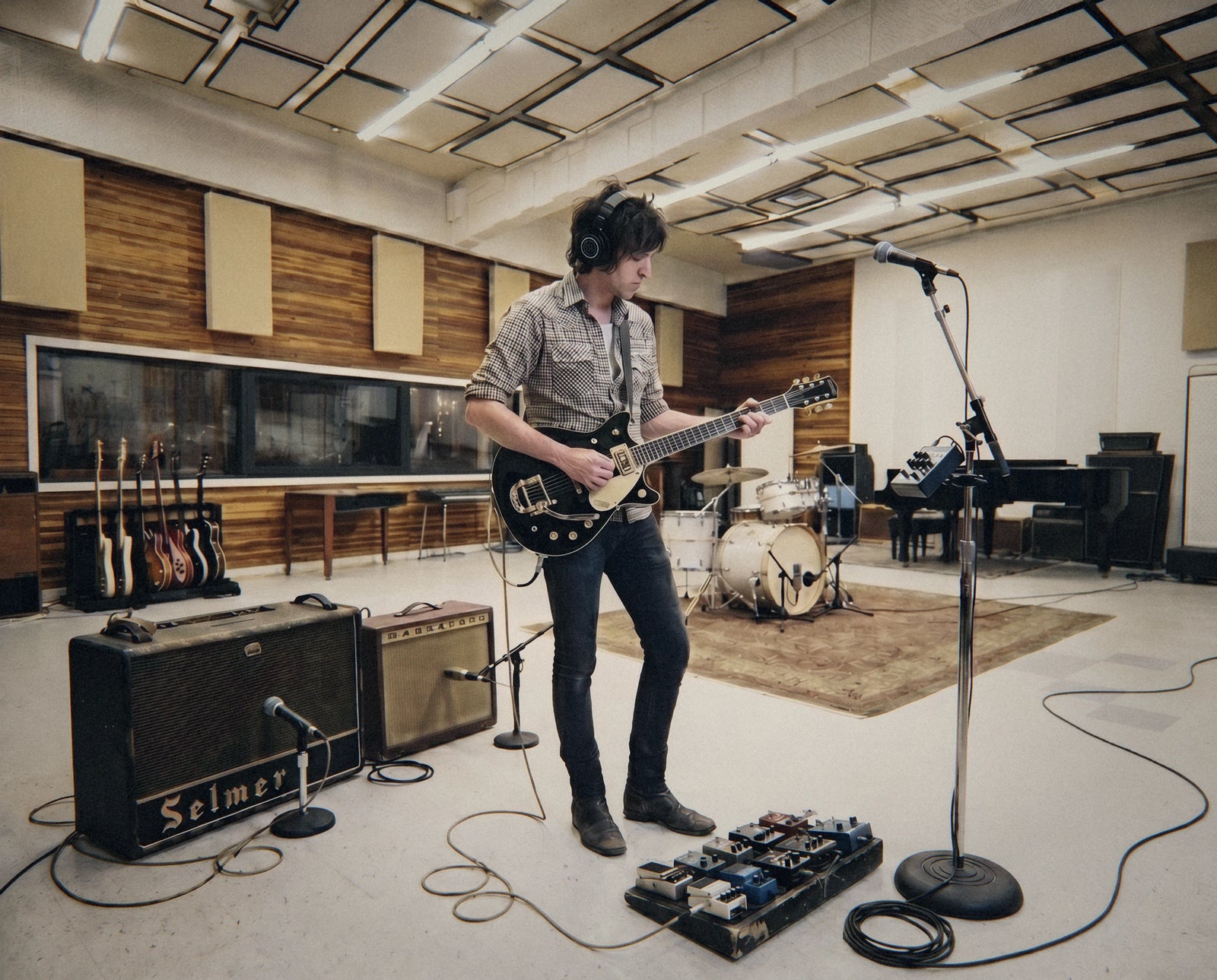
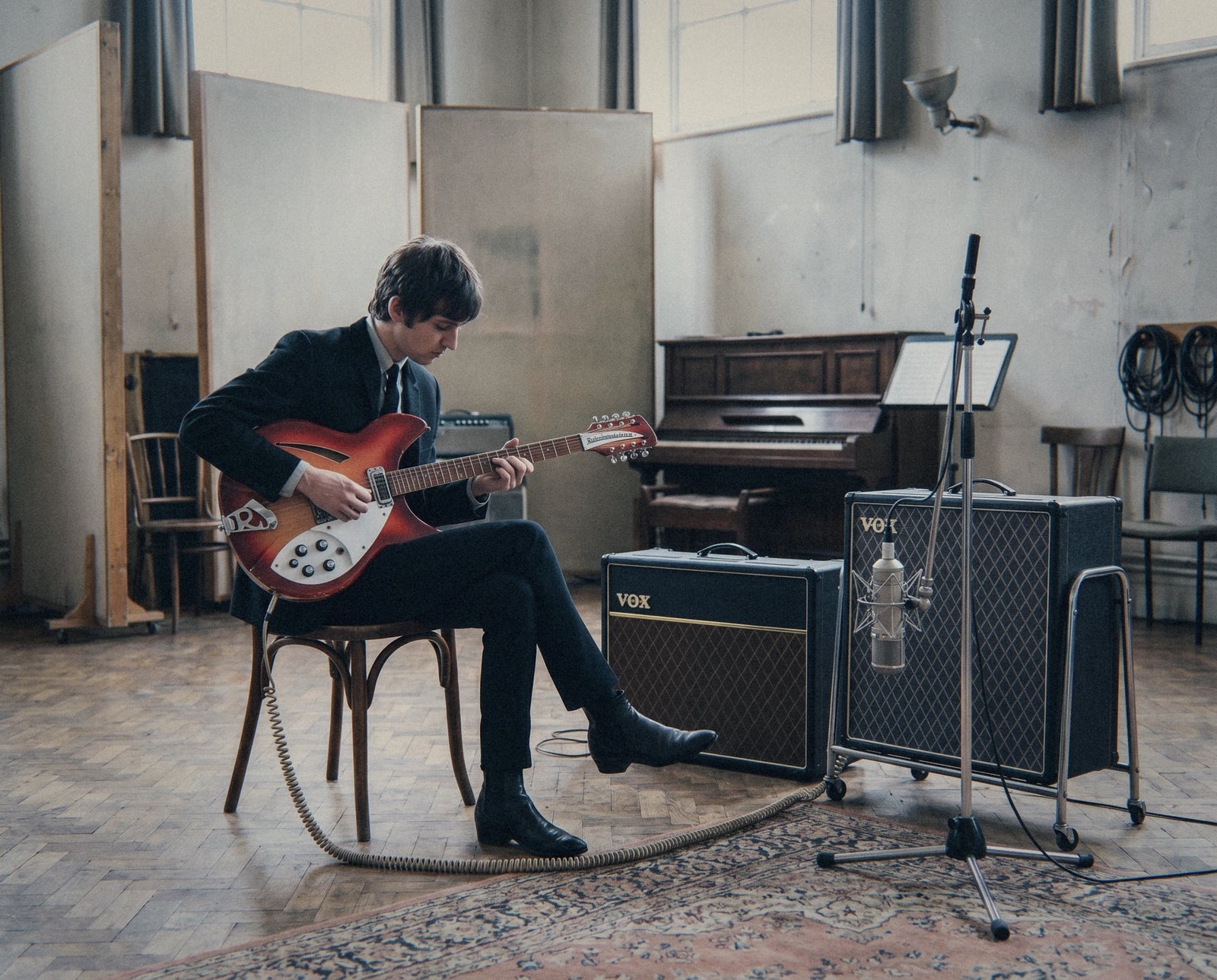
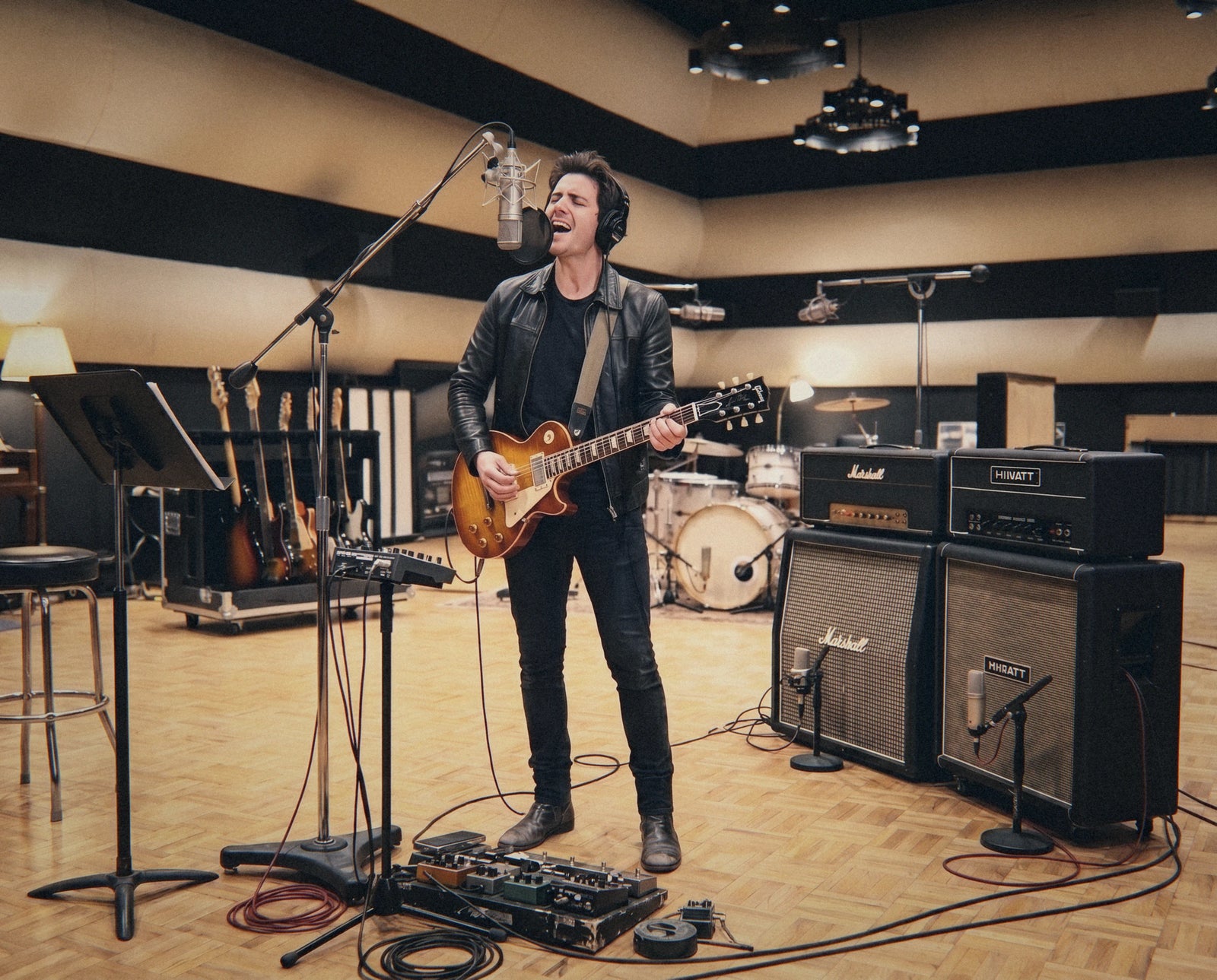
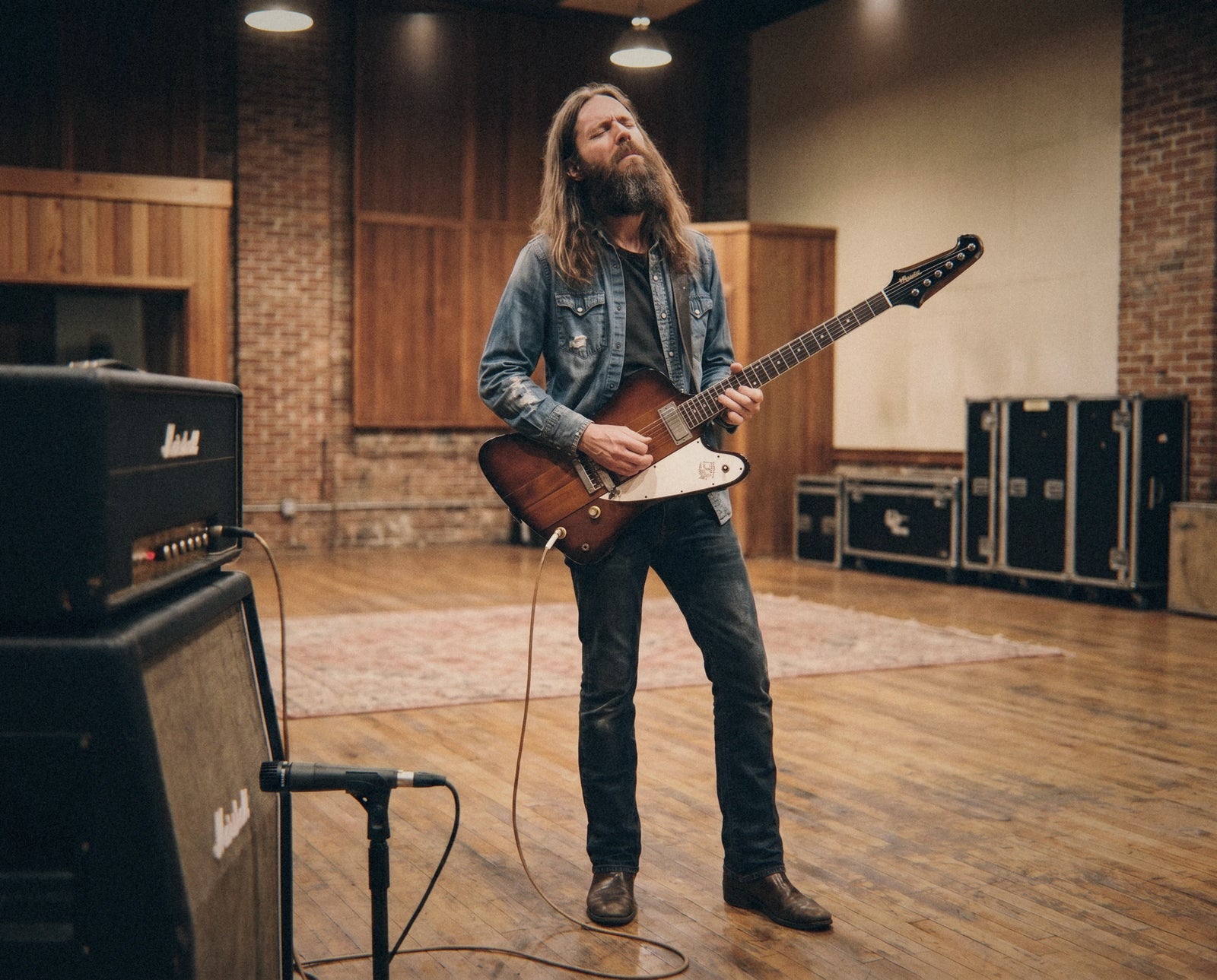
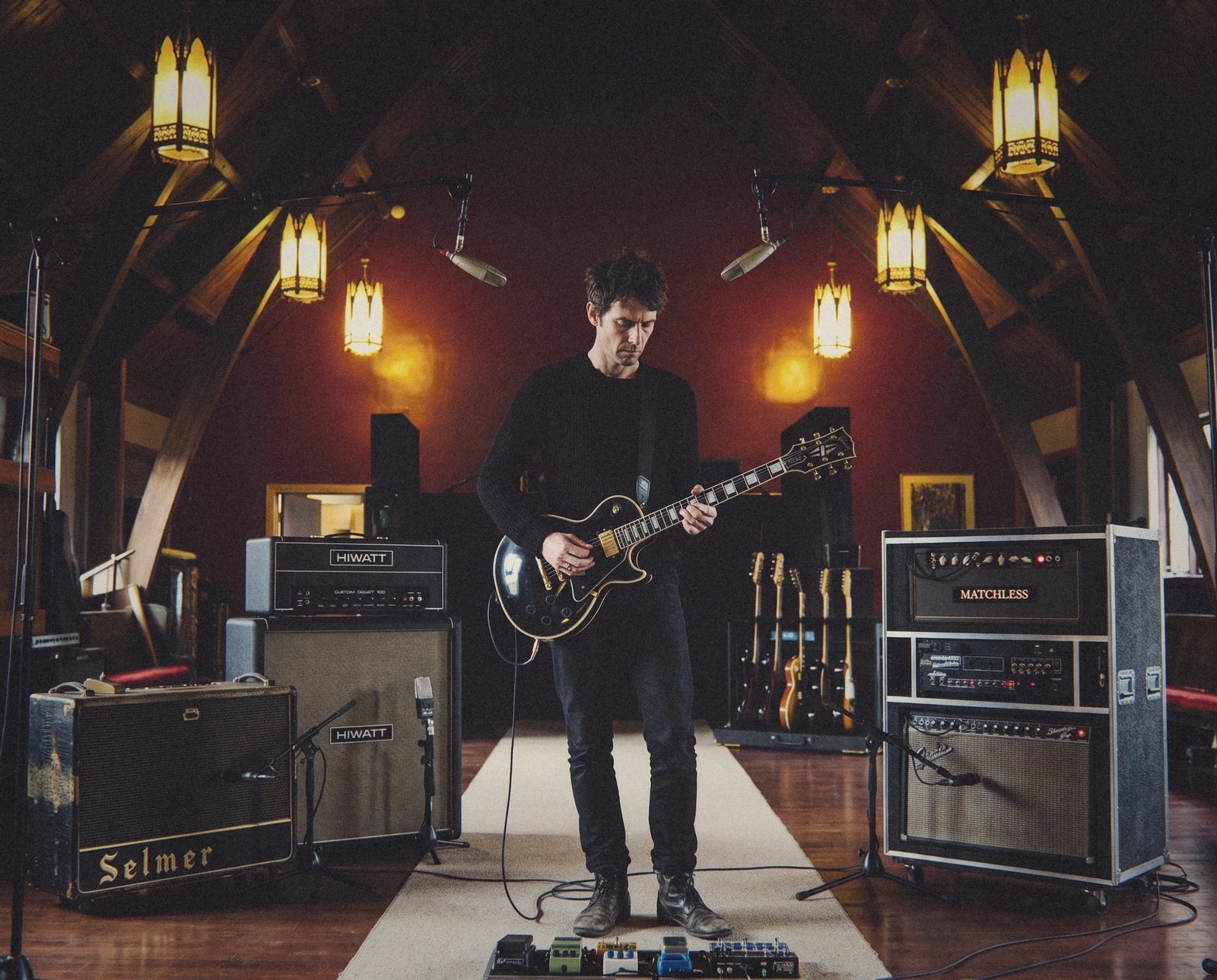
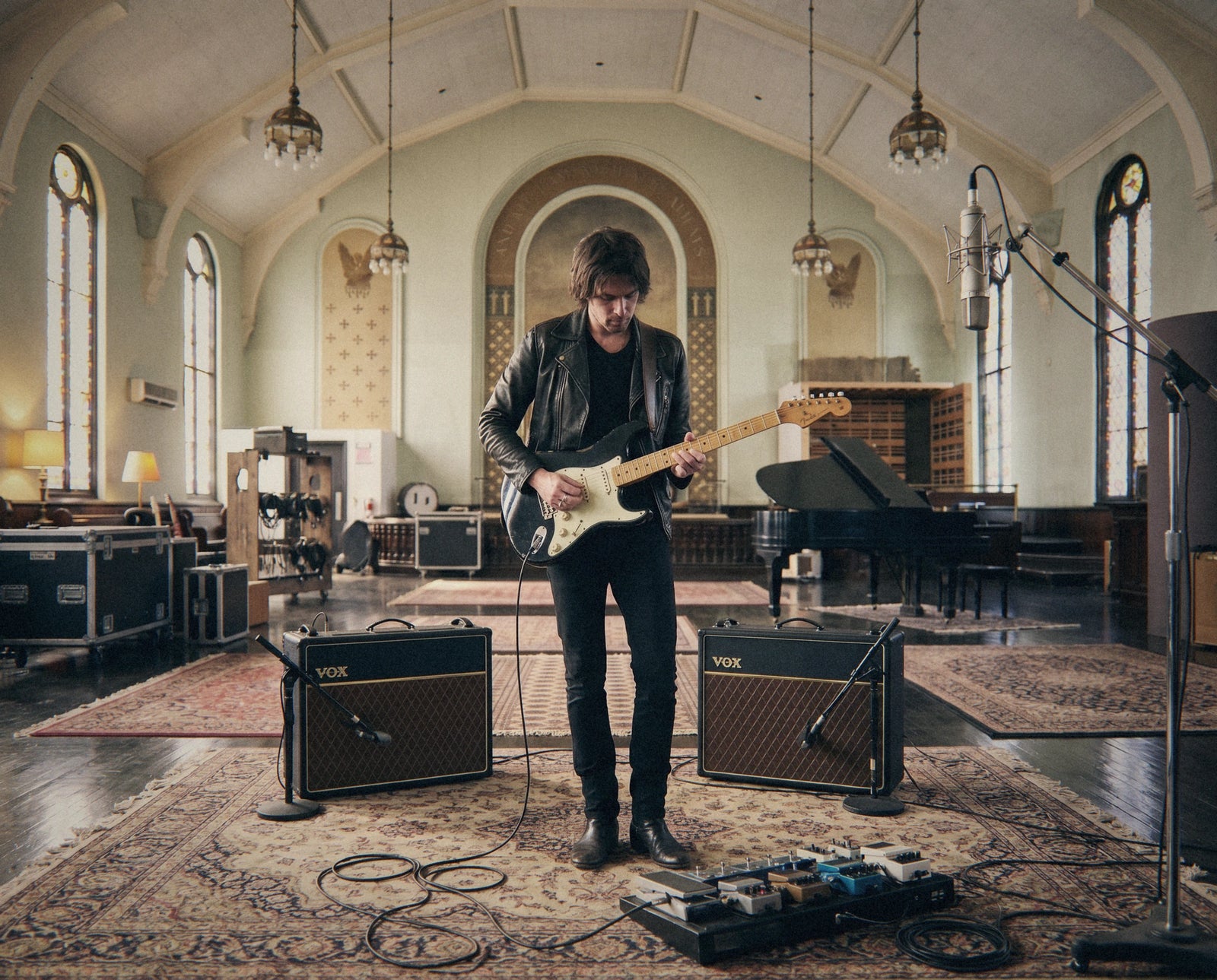
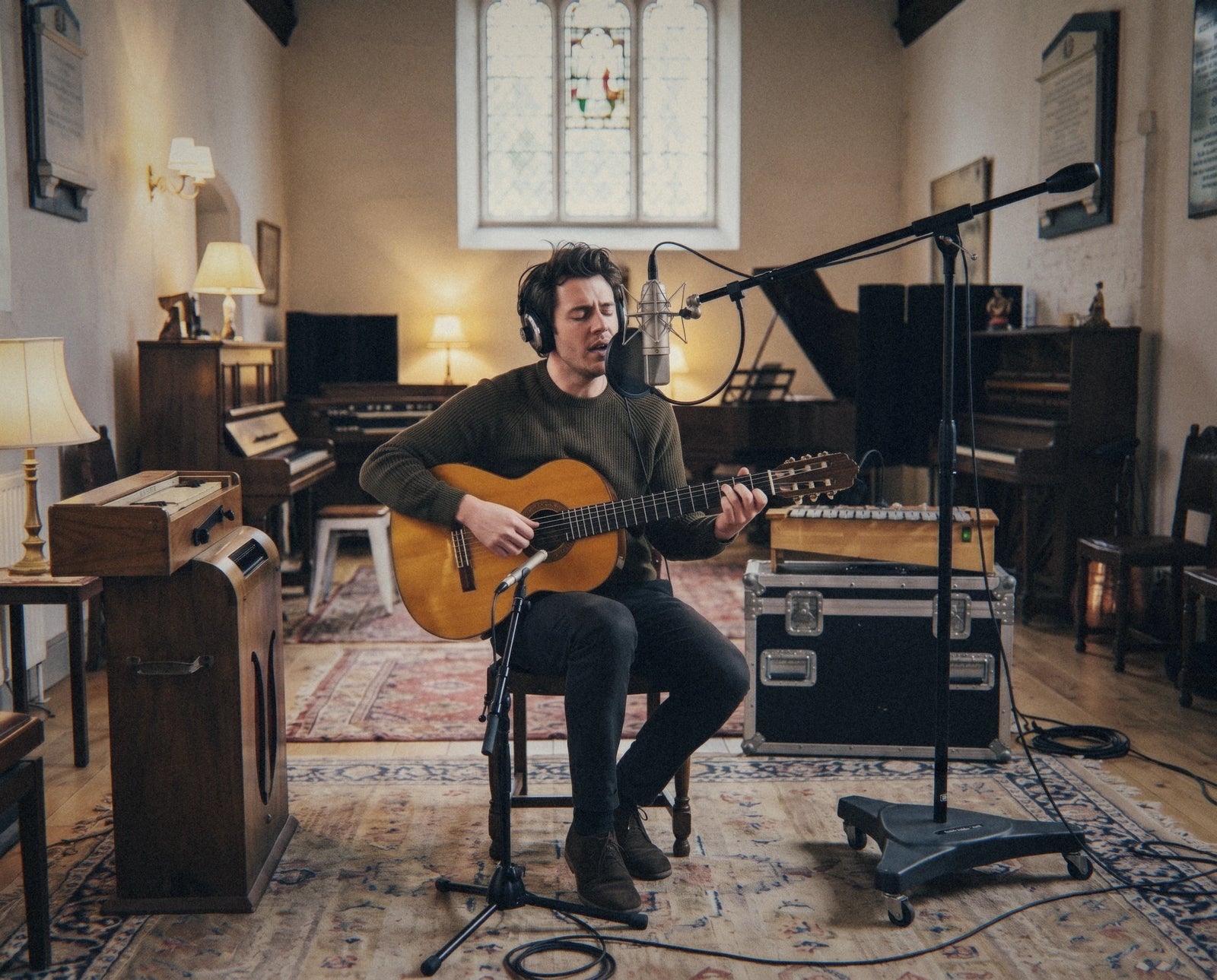
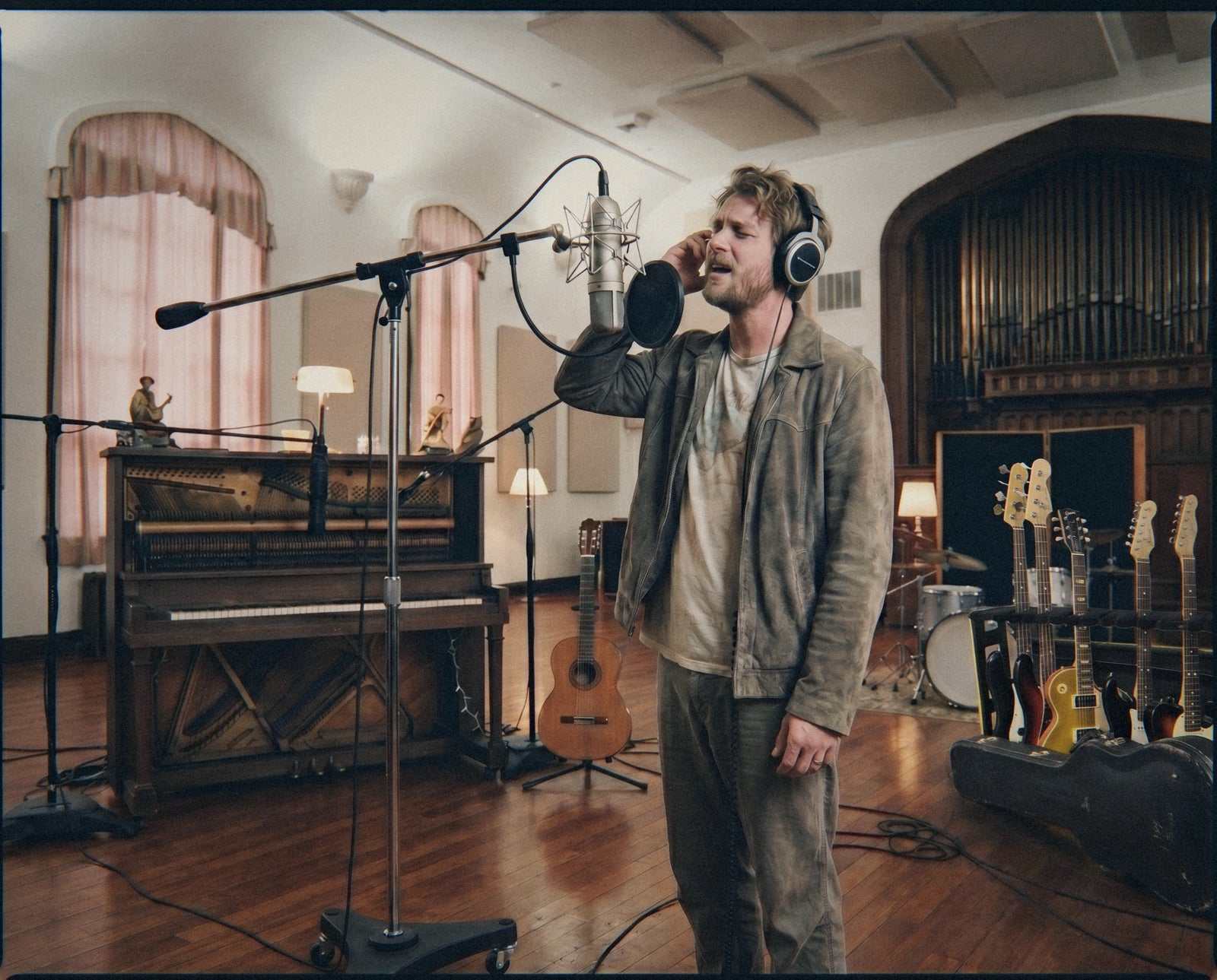
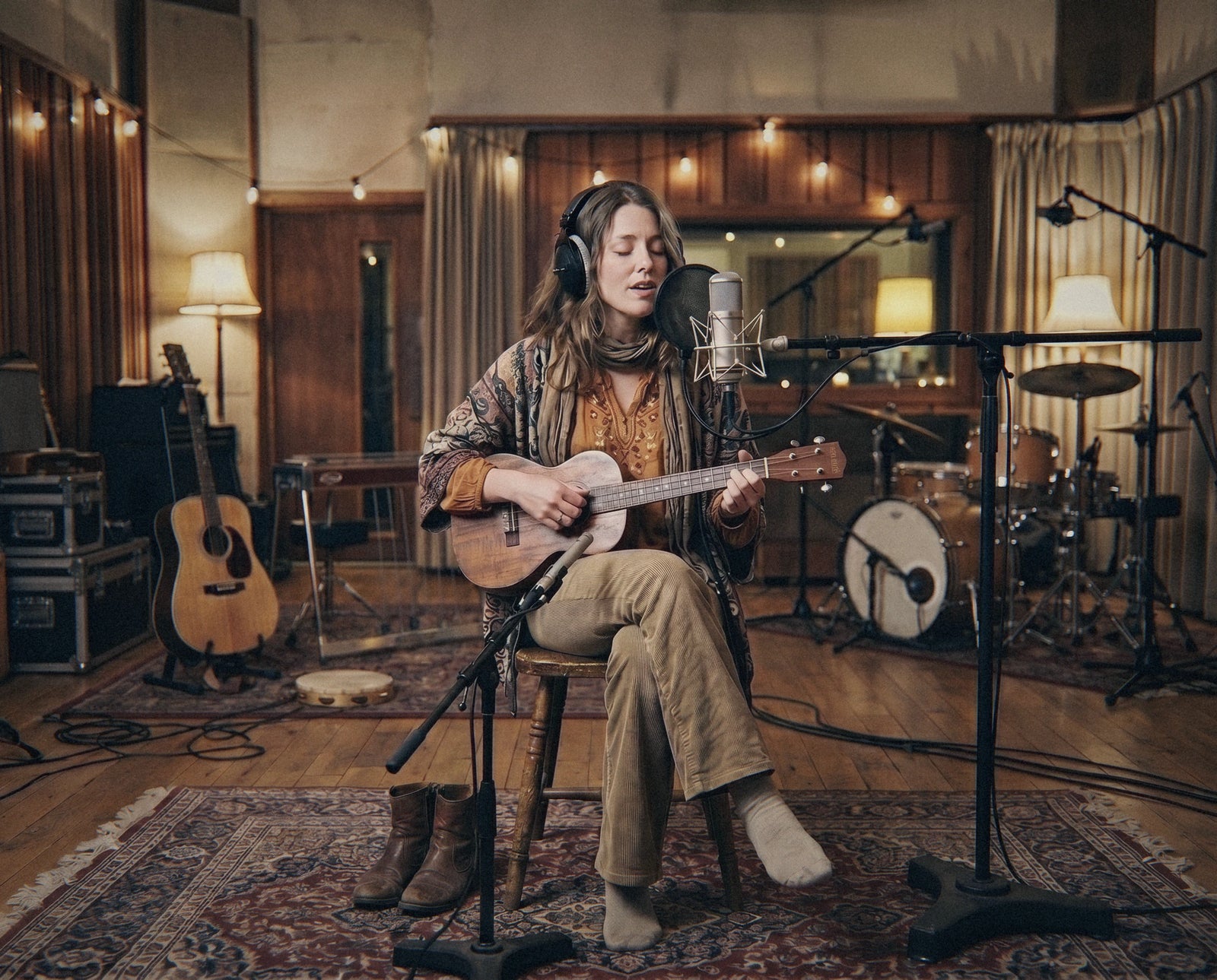
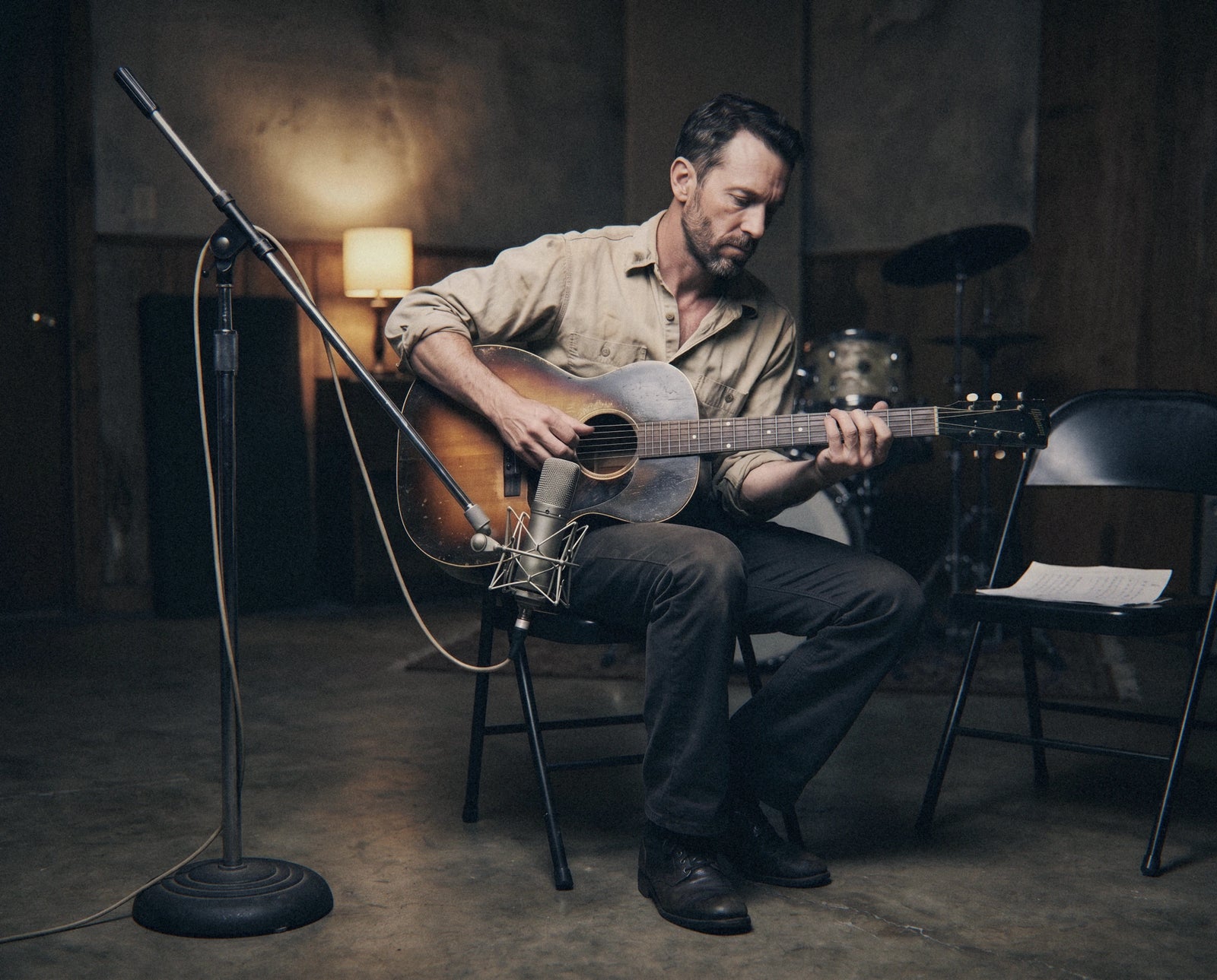
Everything above is a story, and you've got every reason to be skeptical of a story. So don't trust it — press play instead. Pick the kind of music you make, and you'll hear exactly what I've been describing: real players, real rooms, no programming, nothing synthetic.




THE STAND
Being human is underrated
Machines get better every month — but ask one to lean into a power chord like it means it, or bend a note the way a player does after thirty years on the instrument, and you'll hear the difference before you can name it. For music to sound like a human made it, a human has to make it. Still the only way I know how.
And fake is easy to spot. Most libraries are the string-cheese version of a genre — close enough to point at, wrong enough to make you wince. Before I record a single note, I go and find the people who actually live the music. What you get back is the real cheese.
Music that sounds genuine because it is.
THE PROOF
And it isn't only me saying it. More than 10,000 people make music with these libraries, and they've left 958 reviews at an average of 4.94 out of 5. If something doesn't move you, there's a 30-day happiness guarantee — I'll help you find one that does, or you don't keep it. And you buy it once. It's yours forever: no subscription, no credits, no expiry.
- 4.94 / 5average rating
- 958real reviews
- 30-dayhappiness guarantee
- Oncebuy it, keep it forever
That's the whole story
No fairy tale, no shortcuts, no software pretending to be a band. If you make music and you're tired of everything sounding a little bit fake — go have a listen. Everything here is a real session, formatted to open straight in your DAW. Start wherever your ears take you.
— Phil Symonds, Founder, We Sound Human